Blog

6 Steps for Starting Oral Appliance Therapy

If you've been diagnosed with obstructive sleep apnea or are struggling with chronic jaw pain from a TMJ disorder, you may have heard about oral appliance therapy. This treatment involves wearing a custom-fitted device, similar to a retainer, while you sleep. It is a highly effective, non-invasive alternative to CPAP machines and can provide significant relief from symptoms.
Continue reading 6 Steps for Starting Oral Appliance Therapy >>

TMJ Pain Keeping You Awake? You’re Not Alone

If this scenario feels familiar, you are part of a large, exhausted group of people dealing with Temporomandibular Joint (TMJ) disorders. This isn't just about a clicking jaw or a sore face; it’s a sleep thief that robs you of the rest you need to function. The connection between jaw pain and insomnia is real, deeply frustrating, and more common than you might think.
Continue reading TMJ Pain Keeping You Awake? You’re Not Alone >>

Understanding Your Sleep Score: What It Means for Your Health

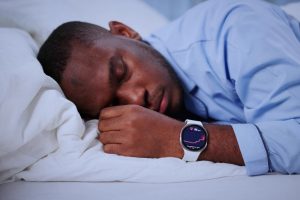
Your daily sleep score serves as a critical "vital sign" for your overall well-being, offering immediate feedback on how well your body is recovering overnight. Here are the essential points to remember: Many of us wear a small device on our wrist that tracks our steps, heart rate, and even our sleep. Each morning, it gives us a single number: a sleep score. But what does that number actually mean? Is a score of 85 good? Should you worry about a 62? This score is more than just a data point; it's a powerful indicator of your overall health.
Continue reading Understanding Your Sleep Score: What It Means for Your Health >>

Why Your Jaw Pain Might Be Causing Sleep Apnea

You woke up tired again. Maybe your jaw feels stiff, or you have a dull headache that starts at your temples and wraps around your skull. You might brush it off as stress or "just sleeping wrong," but your body could be telling you something more specific.
Continue reading Why Your Jaw Pain Might Be Causing Sleep Apnea >>
Sleep apnea symptoms: dry mouth, morning headache, lack of energy, memory loss, weight gain, insomnia, snoring, low mood, poor concentration, fatigue, heartburn, sexual dysfunction

The Science Behind Sleep Apnea: What Happens When You Stop Breathing?

Sleep apnea is a term that many have heard, often associated with loud snoring. However, the reality of this condition is far more complex and dangerous than a simple nighttime noise. It is a serious sleep disorder where breathing repeatedly stops and starts, triggering a cascade of physiological responses that can have profound consequences for long-term health. To truly grasp its severity, it is essential to understand the science of what happens inside your body during an apneic event.
Continue reading The Science Behind Sleep Apnea: What Happens When You Stop Breathing? >>

How Stress Impacts Your Sleep and What You Can Do About It

Stress and sleep share a complex and deeply intertwined relationship. While a certain level of stress is a normal part of life, chronic or unmanaged stress can significantly disrupt sleep patterns, leading to a detrimental cycle of exhaustion and anxiety. Understanding the physiological impact of stress on your sleep is the first step toward reclaiming restful nights and improving your overall health.
Continue reading How Stress Impacts Your Sleep and What You Can Do About It >>