Both CPAP and oral appliance therapy are established treatments for obstructive sleep apnea. CPAP uses air pressure to keep the airway open, while oral appliances reposition the jaw. The right choice depends on your sleep apnea severity, anatomy, lifestyle, and—critically—which treatment you’ll actually use consistently.
Getting a sleep apnea diagnosis often brings relief. Finally, an explanation for the fatigue, the restless nights, the morning headaches. But it also brings a new set of questions—starting with the most practical one: How am I actually going to treat this?
For many patients, two options come up early in the conversation: CPAP (continuous positive airway pressure) and oral appliance therapy. Both can play an important role in treating obstructive sleep apnea. Neither is universally better. The right treatment depends on your specific type and severity of sleep apnea, your anatomy, your lifestyle, and—perhaps most importantly—what you can consistently use night after night.
This guide breaks down both options in plain language, so you can walk into your next provider appointment with better questions and a clearer sense of what matters most.
Key Takeaways
- CPAP is a well-established treatment that uses steady air pressure to keep the airway open. It’s highly effective for many people with obstructive sleep apnea, including more severe cases.
- Oral appliance therapy uses a custom-fitted device to reposition the jaw and/or tongue. It’s portable, quiet, and may suit patients with mild-to-moderate OSA or those who struggle with CPAP.
- Consistency matters more than theoretical effectiveness. A treatment you use every night beats a more powerful treatment you abandon after a week.
- You don’t have to choose alone. A sleep physician and dental sleep professional can help determine what’s most appropriate for your specific diagnosis.
What Is CPAP and How Does It Work?
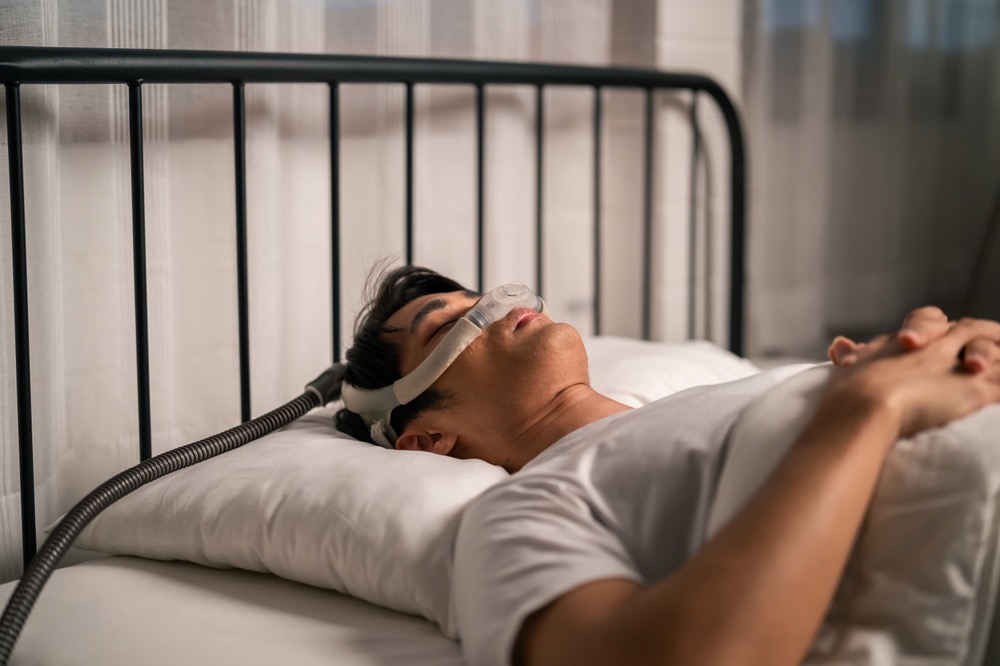
CPAP stands for continuous positive airway pressure. The machine delivers a steady stream of pressurized air through a mask, keeping the upper airway from collapsing during sleep. It’s been the standard treatment for obstructive sleep apnea for decades, and for good reason: when used correctly and consistently, it’s highly effective at reducing breathing interruptions.
A typical CPAP setup includes a machine, a mask, and tubing. There are several mask styles—nasal pillows, nasal masks, full-face masks—and finding the right fit matters.
Potential benefits of CPAP
- Effectively keeps the airway open throughout the night
- Can significantly reduce apnea events
- Well-studied with a strong evidence base
- Available in many forms, including travel-sized machines
Potential challenges with CPAP
- Wearing a mask every night takes adjustment
- Some people experience dry mouth, nasal congestion, or discomfort
- Traveling with the equipment adds bulk
- A meaningful percentage of patients struggle to use it consistently
That last point deserves emphasis. CPAP only works when it’s worn. If mask discomfort, claustrophobia, or equipment hassle leads someone to leave it on the nightstand, it’s not treating anything.
What Is an Oral Appliance and How Is It Different?
Oral appliance therapy is another treatment option for certain patients with obstructive sleep apnea. A custom-fitted device—made by a qualified dental sleep professional—is worn in the mouth during sleep. It works by repositioning the lower jaw and/or tongue to help keep the airway open.
It’s worth noting the distinction between a custom medical-grade oral appliance and an over-the-counter mouthguard. They are not the same thing. Custom appliances are designed for your specific anatomy and adjusted over time by a trained provider.
Potential benefits of oral appliance therapy
- Small, discreet, and easy to travel with
- No machine, no mask, no tubing
- Essentially silent
- Many patients find it more comfortable than CPAP
Potential challenges with oral appliance therapy
- Not appropriate for every patient
- May cause temporary jaw soreness or tooth sensitivity, especially early on
- Requires proper fitting, follow-up, and adjustment
- Effectiveness can vary depending on individual anatomy and sleep apnea severity
CPAP vs. Oral Appliance: A Side-by-Side Comparison
| CPAP | Oral Appliance | |
| How it works | Air pressure keeps airway open | Repositions jaw/tongue to improve airway |
| Equipment | Machine + mask + tubing | Small custom appliance |
| Portability | More to pack and travel with | Easy to carry anywhere |
| Noise | Machine produces some sound | Essentially silent |
| Best suited for | Many OSA patients, including more severe cases | Mild-to-moderate OSA, or CPAP-intolerant patients |
| Adjustment period | Getting used to mask and airflow | Getting used to wearing an appliance |
This isn’t a one-size-fits-all comparison. These are starting points, not verdicts. Your provider’s evaluation—not this table—should drive the conversation.
Is an Oral Appliance as Effective as CPAP?
This is one of the most common questions patients ask, and it deserves a direct answer.
For many patients—particularly those with moderate-to-severe obstructive sleep apnea—CPAP provides greater control of breathing events. That’s the honest answer.
But effectiveness on paper isn’t the only variable. A treatment that works in theory but doesn’t get used consistently isn’t treating sleep apnea. Research has shown that oral appliance therapy, even if somewhat less powerful in controlled studies, can be a clinically meaningful option—precisely because adherence tends to be higher for some patients.
The goal isn’t finding the most powerful treatment. It’s finding an effective treatment that fits your life well enough that you’ll actually use it.
Who Might Be a Good Candidate for an Oral Appliance?
Oral appliance therapy is often considered for people who:
- Have mild-to-moderate obstructive sleep apnea
- Cannot tolerate CPAP due to mask discomfort, claustrophobia, or other issues
- Have discussed alternatives with their provider and prefer a different approach
- Need a more portable option due to travel or lifestyle demands
Anatomy also plays a role. Jaw position, bite, and airway structure can influence whether an oral appliance is appropriate and how well it performs. That’s why a proper evaluation by a dental sleep professional matters—it’s not simply a question of preference.
What If CPAP Isn’t Working for You?
This section is for everyone who’s tried CPAP and quietly wondered if they’re the only one struggling with it. You’re not.
Adjusting to CPAP takes time, and for many people, the first mask or pressure setting isn’t the right one. Before giving up on CPAP entirely, it’s worth talking to your provider about:
- Mask fit — a different style might make a significant difference
- Pressure settings — adjustments can reduce discomfort
- Humidification — can help with dryness and nasal irritation
- Nasal congestion — sometimes treating this separately improves CPAP tolerance
If CPAP truly isn’t working after a genuine effort, that’s an important conversation to have—not a reason to stop treating your sleep apnea. Oral appliance therapy may be an appropriate next step, depending on your diagnosis.
Struggling with CPAP doesn’t mean you’ve failed. It means your treatment plan may need to evolve.
What About Combination Therapy?
Treatment doesn’t always have to be an either/or decision. Some patients, under professional guidance, may benefit from a combination approach—using an oral appliance alongside other treatment strategies. This is more specialized territory and not right for everyone, but it’s a useful reminder that sleep apnea treatment isn’t limited to two fixed options. Your care plan can be built around what works for you.
How Do You Know Which Treatment Is Right for You?
A few factors worth discussing with your provider:
- Type and severity of your sleep apnea — mild, moderate, and severe OSA may not respond equally to the same treatment
- Airway anatomy and jaw position — relevant to whether an oral appliance is likely to be effective
- CPAP tolerance — past experience matters
- Lifestyle and travel — if you’re frequently on the road, portability is a real consideration
- Comfort and your ability to use treatment consistently — this cannot be overstated
It’s also worth resisting the urge to choose based on what worked for a friend or family member. Sleep apnea presentations vary significantly. What helped someone else may not be the right fit for you—and vice versa.
A good question to bring to your provider: “What treatment is most appropriate for my specific type and severity of sleep apnea—and why?”
Treat the Problem, Not Just the Device
Here’s the thing that sometimes gets lost in the CPAP vs. oral appliance debate: the device isn’t the point. The goal is to keep your airway open, reduce breathing interruptions, improve sleep quality, and protect your long-term health.
That means treatment isn’t a one-time decision. It requires follow-up. It requires confirming that what you’re using is actually working. And it requires a provider relationship built on honest communication—not just tolerance, but genuine effectiveness.
You don’t have to choose between treating your sleep apnea and living your life. The right treatment should make both possible.
The Right Treatment Is the One That Works for You
CPAP and oral appliance therapy are both legitimate, valuable options for treating obstructive sleep apnea. One is not inherently superior. The right choice is the one that’s appropriate for your diagnosis and that you can realistically use—every night, long-term.
If your current treatment isn’t working, that’s worth saying out loud to your provider. Don’t settle for untreated sleep apnea simply because your first option didn’t fit. There may be another approach worth exploring—and finding it can make a real difference in how you feel, sleep, and live.

Frequently Asked Questions
Q: Can I switch from CPAP to an oral appliance if I’ve been using CPAP for years?
A: Switching treatments is possible, but it requires a proper evaluation. Your sleep apnea severity, anatomy, and response to CPAP all influence whether an oral appliance is a suitable alternative. Talk to your sleep physician before making any changes—transitioning without guidance can leave sleep apnea undertreated.
Q: Do I need a referral to see a dental sleep professional about an oral appliance?
A: In many cases, your sleep physician can refer you to a qualified dental sleep professional, or you can seek one out directly. Either way, a diagnosis from a sleep study should come first. Oral appliances are medical treatments—they work best as part of a coordinated care plan, not as a standalone solution chosen without a diagnosis.
Q: How do I know if my sleep apnea treatment is actually working?
A: Feeling more rested is a good sign, but it’s not enough on its own. Follow-up testing—such as a home sleep study or an in-lab evaluation—is often recommended to confirm that treatment is effectively reducing breathing events. Your provider can guide you on the appropriate follow-up timeline for your specific situation.