
Key Takeaways
- Morning jaw pain that fades during the day usually points to a nighttime cause.
- Teeth grinding and clenching (bruxism) are the most common culprits.
- Jaw pain and sleep apnea can be connected—the jaw sometimes reacts to a breathing problem.
- TMJ issues, headaches, snoring, and daytime fatigue often appear alongside jaw pain.
- Treating the symptom isn’t enough; finding the root cause is what leads to lasting relief.
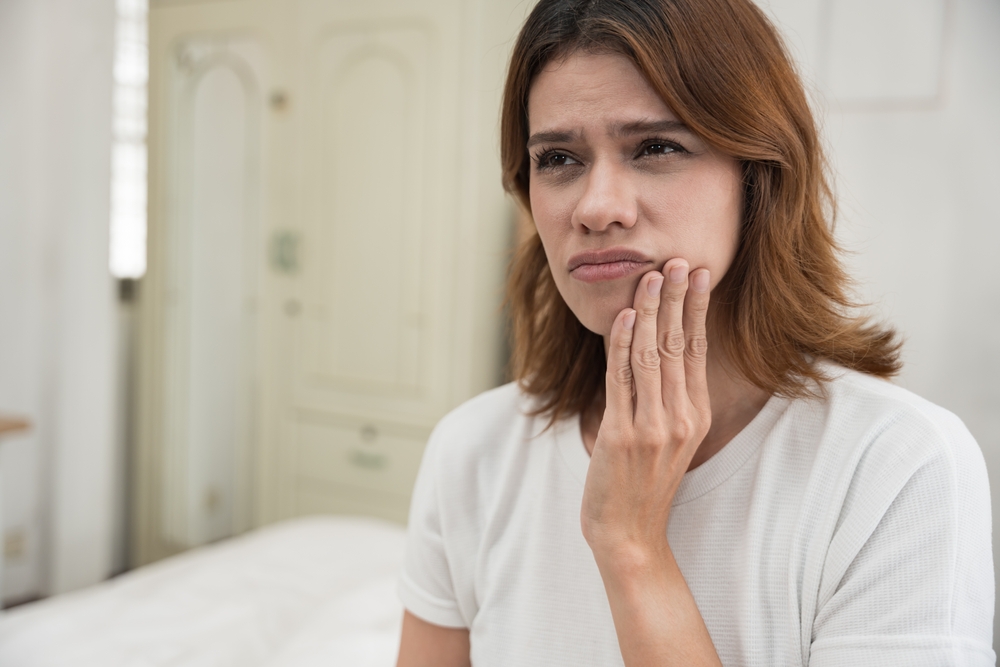
You wake up, reach for your first sip of coffee, and notice your jaw feels sore, tight, or stiff. It’s an easy thing to brush off. Maybe you slept in a strange position. Maybe you were stressed yesterday. Maybe you just need to stretch it out.
Stress and awkward sleeping positions can play a role, but if jaw soreness greets you most mornings, your body may be trying to tell you something more. Persistent morning jaw pain is often a signal of an underlying sleep issue—one that’s quietly working away while you rest.
The good news? Understanding what’s behind the discomfort is the first step toward finding real relief. Let’s look at what your jaw might be telling you.
Why Is Jaw Pain Often Worse in the Morning?
If your jaw hurts most when you wake up but loosens up as the day goes on, that pattern is a clue. It suggests something is happening overnight rather than during your waking hours.
While you sleep, you may unknowingly:
- Clench your jaw
- Grind your teeth
- Strain your facial muscles
- Place ongoing stress on your jaw joints
You have no conscious control over these habits once you drift off, which is exactly why the effects show up in the morning. The takeaway is simple: morning symptoms often point straight to nighttime behaviors.
Teeth Grinding and Clenching: The Most Common Cause
The leading reason for sore morning jaws is bruxism—the medical term for grinding or clenching your teeth. Many people do it night after night without ever realizing it.
Common signs of bruxism include:
- Jaw soreness, especially in the morning
- Facial pain or tightness
- Headaches
- Tooth sensitivity
- Worn, flattened, or damaged teeth
Because it happens during sleep, you may have no idea bruxism is the problem until the symptoms start shaping how you feel each morning. A partner who hears the grinding, or a dentist who spots unusual wear, is sometimes the first to point it out.
How Are Jaw Pain and Sleep Apnea Connected?
Here’s a connection many people miss: jaw pain and sleep apnea can be linked.
When your airway becomes restricted during sleep, your body works hard to keep air flowing. That effort can show up in your jaw in a few ways:
- The body may subconsciously reposition the jaw to open the airway.
- Jaw and facial muscles can become overactive throughout the night.
- Teeth grinding is often associated with disrupted breathing.
In these cases, the jaw isn’t the original problem—it’s reacting to a problem elsewhere. That’s an important distinction, because treating only the jaw pain may leave the real cause untouched.
Other Symptoms That May Point to a Sleep-Related Cause
Jaw pain rarely travels alone. If yours is connected to sleep, you may also notice some of the following:
- Morning headaches
- Snoring
- Daytime fatigue
- Poor sleep quality
- Dry mouth when you wake up
- Frequent nighttime awakenings
These symptoms often occur together, yet people don’t always connect the dots between them. A sore jaw, a nagging headache, and constant tiredness can feel like three separate annoyances when they may actually share one underlying source.
When TMJ May Be Part of the Picture
Sometimes the jaw joint itself is involved. The temporomandibular joint (TMJ) connects your jaw to your skull, and problems with it can create their own set of symptoms.
Common TMJ symptoms include:
- Clicking or popping sounds when you move your jaw
- Difficulty opening your mouth fully
- Jaw locking
- Pain while chewing
- Tenderness around the jaw joint
Nighttime clenching and grinding can make TMJ symptoms worse over time. The repeated strain adds up, which is why addressing the grinding often matters for protecting the joint, too.
Why Ignoring Morning Jaw Pain Isn’t a Smart Strategy
It’s tempting to wait and hope the soreness fades on its own. But persistent jaw pain tends to ripple into other areas of life. Over time, it can affect:
- Sleep quality
- Comfort while eating
- Daily focus and concentration
- Long-term oral health
If the pain keeps returning, that repetition is the message. Treating the symptom with the occasional pain reliever may offer short-term comfort, but it won’t address what’s actually driving the discomfort.
When It’s Time to Seek Help
You don’t have to wait until the pain is unbearable to reach out. Consider talking with a professional if:
- Your jaw pain occurs regularly
- You wake up with headaches
- You notice clicking, popping, or locking in your jaw
- You snore or experience poor-quality sleep
- Your symptoms are getting worse over time
The sooner the cause is identified, the sooner you can find relief—and protect your sleep, your comfort, and your long-term health along the way.
Your Jaw May Be Telling You More Than You Think
Morning jaw pain isn’t always just a dental issue or a byproduct of stress. In many cases, it’s a clue that something is happening while you sleep—whether that’s grinding, clenching, a TMJ issue, or a breathing problem like sleep apnea.
If your jaw sends the same message every morning, it’s worth listening. Finding the root cause could help you sleep better, feel better, and start your mornings with far less pain.
Curious about the connection between jaw pain, TMJ, and sleep-disordered breathing? A sleep assessment or consultation can help uncover what’s really going on overnight. Identifying the root cause of your symptoms is the first step toward more restful sleep and pain-free mornings.

Frequently Asked Questions
Q: Can morning jaw pain go away on its own?
A: Occasional jaw soreness from a stressful day or an odd sleeping position may resolve on its own. But if the pain returns regularly, it usually signals an ongoing cause—like grinding, clenching, or a TMJ or breathing issue—that won’t disappear without being addressed.
Q: Is jaw pain a sign of sleep apnea?
A: Jaw pain alone doesn’t confirm sleep apnea, but the two can be connected. When breathing is disrupted during sleep, the body may reposition the jaw and overwork facial muscles, and grinding is often associated with disrupted breathing. If jaw pain comes with snoring, daytime fatigue, or frequent waking, it’s worth getting evaluated.
Q: Should I see a dentist or a doctor for morning jaw pain?
A: It depends on the suspected cause. A dental or sleep professional can assess whether grinding, TMJ problems, or a sleep-related breathing concern is behind your symptoms. Because these issues often overlap, a provider who understands both dental and sleep health can help connect the dots and recommend the right path forward.