
Key Takeaways
- A Protective Reflex: Teeth grinding (bruxism) is often not just a bad habit. It can be your body’s unconscious reflex to a blocked airway, trying to tighten jaw muscles to prevent the tongue from collapsing and restore breathing during a sleep apnea event.
- The Two Conditions are Linked: If you grind your teeth at night, there is a significant chance you may also have undiagnosed Obstructive Sleep Apnea (OSA). The grinding is a symptom of a larger breathing problem.
- More Than Just Dental Damage: While bruxism damages teeth, the combination with sleep apnea places immense strain on your entire body, increasing risks for cardiovascular disease, chronic headaches, and severe fatigue.
- Integrated Treatment is Key: Treating only the teeth grinding with a standard mouthguard can sometimes worsen sleep apnea. A comprehensive approach that addresses the underlying breathing issue is essential for true relief and long-term health.
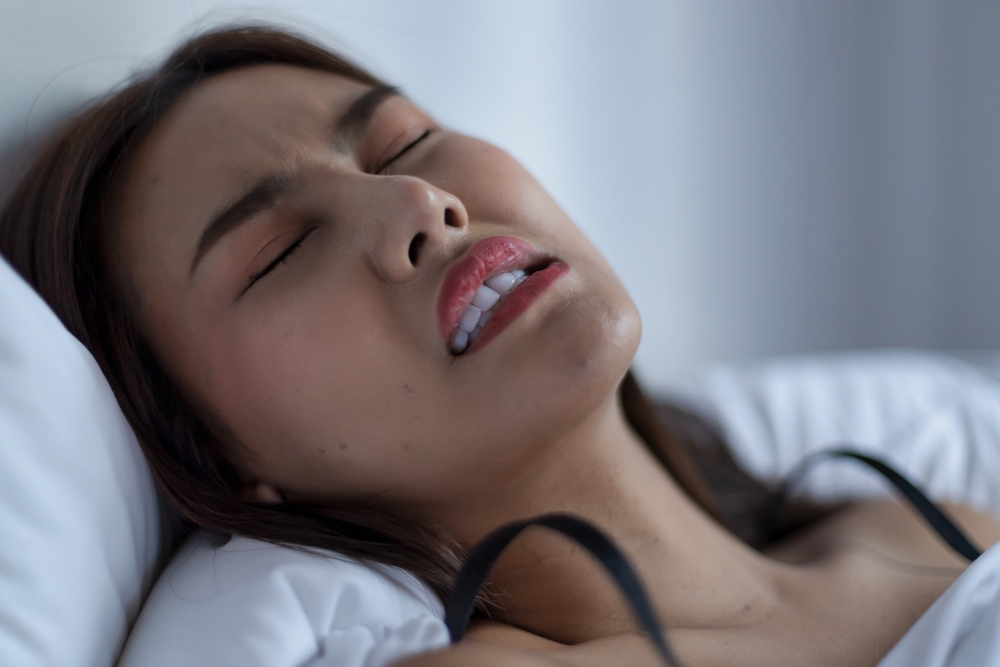
Do you wake up with a sore, tired jaw? Have you been told by a partner that you grind your teeth at night, or has your dentist pointed out signs of excessive wear? For many, nighttime teeth grinding, or bruxism, is a frustrating and painful condition. You might blame it on stress or just a bad habit you can’t seem to break. But what if the grinding isn’t the real problem? What if it’s actually a symptom of something much more serious happening while you sleep?
There is a powerful, often-overlooked connection between bruxism and Obstructive Sleep Apnea (OSA). Your body may be forcing you to grind your teeth for a very important reason: to save you from suffocating. This isn’t just about protecting your enamel; it’s about understanding a critical signal your body is sending about your breathing.
This guide will compassionately explore the deep relationship between teeth grinding and sleep apnea, explain why it happens, and outline the steps you can take to address both conditions. The goal is to protect not just your smile, but your overall health and well-being.
The Unseen Connection: How Sleep Apnea Triggers Teeth Grinding
At first glance, a breathing disorder and a dental habit might seem unrelated. However, the science behind their connection reveals a fascinating and protective survival mechanism.
Obstructive Sleep Apnea is a condition where the muscles in your throat relax during sleep, causing the soft tissues, including your tongue and soft palate, to collapse and block your airway. When this happens, your blood oxygen levels drop, and your brain senses immediate danger. It needs to reopen the airway, and it needs to do it fast.
One of the quickest ways to do this is to activate the powerful muscles of the jaw. By triggering you to clench or grind your teeth, your brain accomplishes several things:
- It Tenses the Airway: The act of clenching tightens the muscles in the floor of your mouth and around your throat, helping to pull the tongue forward and prevent it from falling back.
- It Pushes the Jaw Forward: The grinding motion often involves a slight forward thrust of the lower jaw (mandible), which physically helps to open up the airway.
- It Causes a Micro-Arousal: The intense physical effort and discomfort of grinding can be just enough to pull you out of deep sleep into a lighter stage, allowing you to resume normal breathing without fully waking up.
In this context, the bruxism isn’t the problem; it’s your body’s desperate solution to the problem of a blocked airway. You are grinding your teeth in an effort to breathe.
Why Treating Only the Grinding Can Be a Mistake
For years, the standard treatment for bruxism has been a simple night guard from a dentist. This piece of plastic or acrylic fits over your teeth to protect them from wearing down. While this does protect your enamel, it does absolutely nothing to address the underlying reason for the grinding.
In some cases, a standard night guard can even make things worse for a person with undiagnosed sleep apnea. By simply cushioning the teeth, it allows the jaw to relax into a position that may cause the airway to collapse more easily or more often. You might grind less, but you could experience more frequent or longer breathing pauses, further stressing your heart and brain. This is why a proper diagnosis is so critical.
The Toll on Your Health: Beyond Worn Teeth
When bruxism and sleep apnea occur together, they create a perfect storm of health problems that extend far beyond your mouth.
- Chronic Headaches and Jaw Pain: The constant, forceful contraction of your jaw muscles leads to morning headaches, facial pain, and can contribute to severe Temporomandibular Joint (TMJ) disorders.
- Severe Daytime Fatigue: Even if you think you’re sleeping through the night, the combination of fighting for air and the physical exertion of grinding prevents you from ever reaching restorative deep sleep. The result is profound exhaustion that coffee can’t fix.
- Cardiovascular Strain: Each apnea event and subsequent grinding episode causes a surge in your blood pressure and heart rate. Over time, this nightly battle significantly increases your risk for hypertension, heart attack, and stroke.
- Damaged Teeth and Dental Work: The force of grinding can be immense, leading to cracked teeth, broken fillings or crowns, and receding gums. This can result in thousands of dollars in restorative dental work.
Actionable Advice: A Path to Healthier Sleep and a Happier Jaw
If you grind your teeth, it’s essential to consider the possibility of sleep apnea. Finding relief requires a compassionate and comprehensive approach that focuses on your breathing first.
1. Seek a Professional Evaluation for Sleep Apnea
The first and most important step is to talk with a healthcare professional who specializes in sleep disorders.
- Discuss All Your Symptoms: Be sure to mention not only your teeth grinding but also any other signs, such as snoring, waking up gasping, morning headaches, or daytime fatigue.
- Undergo a Sleep Study: Your doctor will likely recommend a sleep study (polysomnogram). This test can be done in a lab or with a home sleep test kit. It monitors your breathing, oxygen levels, and heart rate to definitively diagnose or rule out sleep apnea.
2. Explore Integrated Treatment Options
If you are diagnosed with both bruxism and sleep apnea, your treatment should address both.
- CPAP Therapy: For moderate to severe sleep apnea, a Continuous Positive Airway Pressure (CPAP) machine is often the primary recommendation. It delivers a gentle stream of air that keeps your airway open. For many patients, once the breathing is stabilized with CPAP, the need to grind disappears completely.
- Custom Oral Appliance Therapy: For mild to moderate sleep apnea, a custom-made oral appliance from a specially trained dentist is an excellent alternative. Unlike a simple night guard, these devices are designed to move your lower jaw slightly forward. This not only opens the airway to treat the apnea but also prevents the teeth from grinding against each other. It treats both conditions simultaneously in one comfortable, silent device.
3. Manage Stress and Practice Good Sleep Hygiene
While stress may not be the root cause if you have sleep apnea, it can certainly make clenching and grinding worse.
- Create a Relaxing Bedtime Routine: Dedicate the last hour before sleep to calming activities. Turn off screens, listen to soothing music, or practice mindfulness meditation to help calm your nervous system.
- Avoid Stimulants: Cut out caffeine and alcohol, especially in the hours leading up to bedtime, as they can disrupt your sleep architecture and worsen both conditions.
If you are waking up with a sore jaw and a tired body, listen to what your body is trying to tell you. The grinding could be a signpost pointing to a larger issue. By seeking a proper diagnosis, you can find a solution that not only saves your teeth but also protects your heart, your mind, and your overall quality of life.

FAQ: Common Questions About Bruxism and Sleep Apnea
Q: Can children grind their teeth due to sleep apnea?
A: Yes. In children, sleep apnea is often caused by enlarged tonsils and adenoids. The grinding can be a sign that they are struggling to breathe at night. If your child snores loudly and grinds their teeth, it is crucial to speak with their pediatrician.
Q: I’m very stressed, isn’t that the more likely cause of my grinding?
A: Stress is a well-known contributor to bruxism. However, the grinding caused by stress is often different from the rhythmic grinding associated with sleep apnea. If you have any other symptoms of sleep-disordered breathing (like snoring or fatigue), it is vital to get tested to rule out OSA as the primary driver.
Q: Will the grinding go away if I lose weight?
A: Weight loss can be a very effective treatment for sleep apnea, as excess weight around the neck can contribute to airway collapse. If your sleep apnea resolves through weight loss, the associated grinding will very likely decrease or stop completely.
Q: Is it possible to have bruxism without having sleep apnea?
A: Yes, absolutely. Bruxism can be caused by a number of factors, including stress, anxiety, certain medications, or a misaligned bite. However, because the link between the two is so strong, it is always wise to screen for sleep apnea if you are a chronic nighttime grinder.