
Key Takeaways
- A Vicious Cycle Exists: Jaw pain (TMD) and sleep apnea feed into each other; pain disrupts sleep quality, while the body’s struggle to breathe during sleep apnea can trigger unconscious jaw clenching and grinding.
- Pain is Systemic: TMD symptoms rarely stay localized to the jaw. They often radiate through the trigeminal nerve, causing chronic headaches, migraines, neck stiffness, and even earaches.
- Effective Treatments are Available: Addressing both conditions simultaneously through oral appliances, physical therapy, or CPAP therapy can break the cycle of pain and exhaustion, restoring both sleep and overall health.
You woke up tired again. Maybe your jaw feels stiff, or you have a dull headache that starts at your temples and wraps around your skull. You might brush it off as stress or “just sleeping wrong,” but your body could be telling you something more specific.
There is a surprising and often overlooked connection between that nagging pain in your jaw and how well you breathe at night. If you are struggling with jaw pain, you aren’t just dealing with a sore joint; you might be caught in a hidden cycle involving sleep apnea.
This post explores how Temporomandibular Disorders (TMD) and sleep apnea feed into each other, why the pain spreads beyond your jaw, and how treating one often helps resolve the other.
The Hidden Link Between Your Jaw and Your Sleep
Most people think of the jaw as a simple hinge for chewing and talking. In reality, the temporomandibular joint (TMJ) is complex. It involves a sophisticated network of muscles, nerves, and bones. When this system malfunctions—a condition known as TMD—it doesn’t just hurt when you eat. It can ruin your sleep.
The relationship between jaw pain and sleep disorders is a two-way street.
1. How Jaw Pain Ruins Sleep
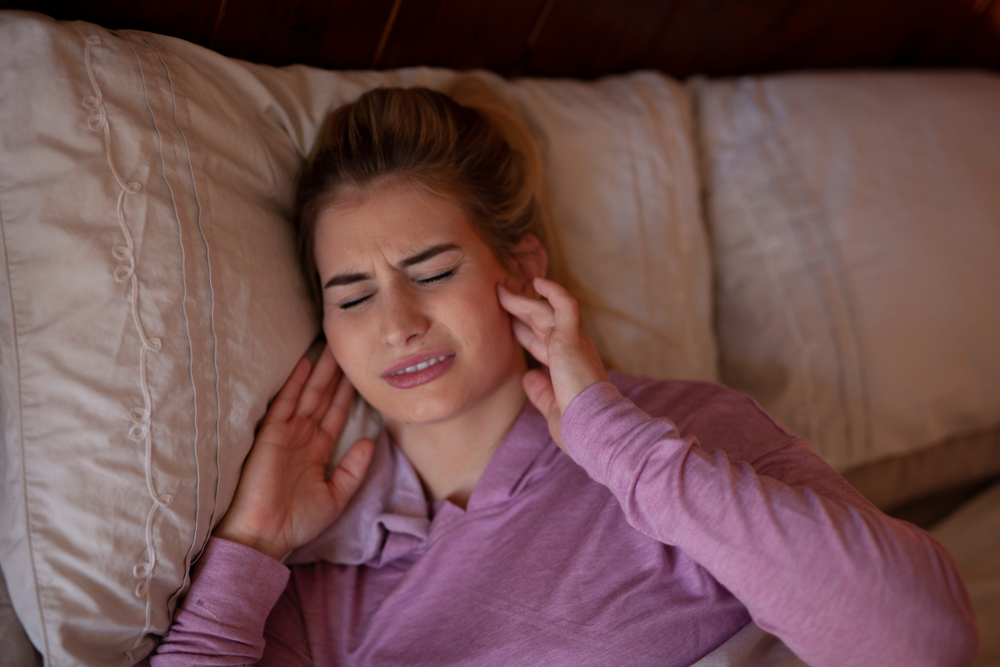
Pain is an enemy of deep rest. When your jaw joint is inflamed, finding a comfortable position on your pillow becomes a nightly battle. Lying on your side might put too much pressure on the joint, while lying on your back might not feel right either.
This constant low-level discomfort prevents your body from slipping into the deep, restorative stages of sleep. You might technically be “asleep” for eight hours, but because you aren’t reaching those critical deep sleep cycles, you wake up feeling like you haven’t rested at all.
2. How Sleep Apnea Worsens Jaw Pain
The connection goes deeper than just discomfort. Obstructive Sleep Apnea (OSA) is a condition where your airway collapses during sleep, cutting off your breath. When this happens, your body enters a panic mode to reopen the airway.
Instinctively, your body may clench the jaw or thrust it forward to open the throat. This forceful, repetitive muscle activation happens while you are unconscious. If you have sleep apnea, you might be grinding your teeth and straining your jaw muscles all night long without realizing it. This nocturnal workout leaves your jaw exhausted, stiff, and painful by morning.
It’s Not Just “Jaw Pain”
One of the most frustrating aspects of TMD is that the pain rarely stays in one place. Because the TMJ is connected to major nerve pathways, the distress signals can travel far and wide.
The Migraine Imposter
The trigeminal nerve is a massive nerve system in your head that connects directly to the jaw joint. When TMD irritates this nerve, it can send pain signals radiating up into your skull. This often results in chronic headaches that feel exactly like migraines or severe tension headaches. Many patients spend years treating “migraines” when the root cause is actually in their jaw.
Neck and Ear Discomfort
The tension doesn’t stop at the head. It often travels down into the neck and shoulders, causing stiffness and muscle knots. Additionally, because the jaw joint sits right next to the ear canal, TMD often presents as earaches, ringing in the ears (tinnitus), or a feeling of “fullness” in the ear, even when hearing tests come back normal.
The Toll on Brain and Mood
When your jaw pain triggers sleep apnea—or when sleep apnea triggers jaw pain—your brain pays the price.
Restorative sleep is the brain’s maintenance time. It’s when memory is consolidated, and emotions are regulated. When this process is interrupted by pain or breathing pauses:
- Cognitive Function Drops: You might experience “brain fog,” trouble concentrating, or forgetfulness.
- Mental Health Suffers: Chronic pain and sleep deprivation are a recipe for anxiety and depression. The constant fatigue lowers your threshold for stress, making you more irritable and emotionally exhausted.
Breaking the Cycle: Treatment Options
The good news is that because these conditions are linked, treating one often improves the other. You don’t have to live with the pain or the fatigue.
Oral Appliance Therapy
This is often the first line of defense. Dentists can create custom-fitted oral appliances (splints) that you wear while sleeping. These devices serve two purposes:
- For TMD: They create a buffer between your teeth, preventing grinding and allowing the jaw muscles to relax.
- For Sleep Apnea: Specialized appliances can position the lower jaw slightly forward, which helps keep the airway open and prevents the collapse that causes apnea.
Physical Therapy
Just like a bad knee or shoulder, a bad jaw joint responds well to physical therapy. Specific exercises can strengthen the jaw muscles, improve range of motion, and reduce inflammation.
Addressing the Sleep Disorder
If you are diagnosed with sleep apnea, treating it is non-negotiable. Whether through a CPAP machine or an oral appliance, keeping your airway open stops the body’s instinctive need to clench and grind. Once the nighttime struggle for breath stops, the jaw tension often subsides significantly.
Conclusion
If you are waking up with a sore jaw and feeling exhausted, stop ignoring the signs. Your body is caught in a vicious cycle where pain disrupts sleep, and poor sleep amplifies pain.
TMD and sleep apnea are serious health issues, but they are highly treatable. By seeking professional help, you can protect your teeth, eliminate chronic headaches, and finally get the restful sleep your brain and body need. Don’t just treat the symptom, treat the source.

FAQ: Jaw Pain and Sleep Apnea
Q: Can TMJ disorder actually cause sleep apnea?
A: While TMJ disorder (TMD) doesn’t typically cause obstructive sleep apnea (OSA) directly, the two conditions often fuel each other. The pain from TMD can disrupt sleep quality, leading to fragmentation. Conversely, the body’s struggle to breathe during sleep apnea episodes often triggers a “fight or flight” response that causes jaw clenching and grinding, which significantly worsens TMD symptoms.
Q: Why is my jaw pain worse in the morning?
A: Morning jaw pain is a classic sign of nocturnal bruxism (teeth grinding). If you have sleep apnea, your body may instinctively thrust your jaw forward or clench your teeth to reopen a blocked airway while you sleep. This prolonged muscle tension throughout the night leaves the jaw joint stiff, sore, and inflamed by the time you wake up.
Q: Will a mouthguard help with my sleep apnea?
A: A standard over-the-counter mouthguard generally only protects your teeth from grinding; it won’t treat sleep apnea and might even make it worse by pushing the jaw back. However, a custom-fitted oral appliance prescribed by a sleep dentist is designed to hold the lower jaw slightly forward. This helps keep the airway open during sleep (treating the apnea) while simultaneously protecting the teeth and decompressing the jaw joint.
Q: Is it possible to have sleep apnea without snoring?
A: Yes. While loud snoring is a common symptom, it isn’t present in every case. Some people with sleep apnea experience “silent apneas” or may just make choking or gasping sounds. If you have chronic jaw pain combined with daytime fatigue or morning headaches, it is worth getting evaluated for sleep apnea even if you don’t snore heavily.