

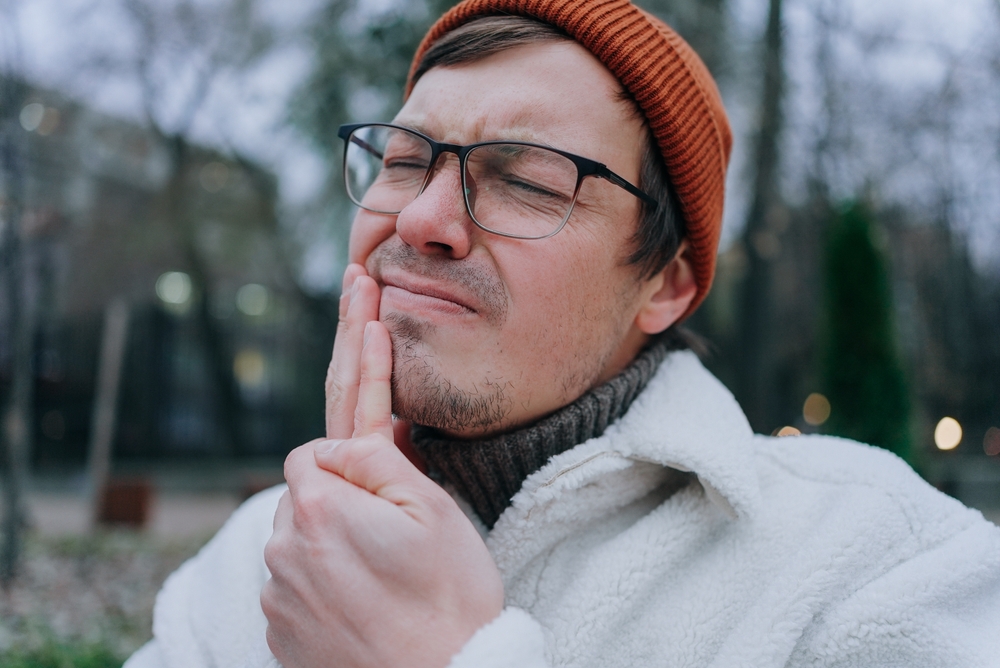
TMJ Symptoms Often Worsen in Cold Weather
- Cold weather triggers TMJ pain through muscle tension – The body instinctively clenches muscles to generate warmth, placing extra strain on already sensitive jaw joints and muscles.
- Barometric pressure changes worsen symptoms – Winter weather fronts cause atmospheric pressure drops that can irritate TMJ nerve endings and increase inflammation.
- Warmth is your first defense – Use scarves around the lower face, apply moist heat compresses for 15-20 minutes, and sip warm beverages to relax jaw muscles.
- Winter stress management is crucial – Holiday stress increases teeth grinding and clenching; practice relaxation techniques, ensure adequate sleep, and maintain gentle exercise routines.
The arrival of winter brings colder temperatures, and for many individuals with temporomandibular disorders (TMD), it can also signal an increase in jaw pain and discomfort. Just as cold weather can make arthritic joints ache, it can have a similar effect on the complex temporomandibular joint (TMJ). Understanding why this happens and adopting proactive strategies can help you navigate the season with greater comfort and fewer symptoms.
This guide will explain the mechanisms behind cold weather’s impact on TMJ pain and provide practical, actionable tips for managing your symptoms throughout the winter. We will cover methods for staying warm, maintaining jaw health, avoiding seasonal triggers, and knowing when to seek professional support.
How Cold Weather Exacerbates TMJ Pain
The connection between cold weather and increased joint pain is a well-documented phenomenon. Several physiological factors contribute to the intensification of TMD symptoms during the winter months.
- Muscle Tension: In response to cold, the body instinctively tenses its muscles to generate heat and conserve warmth. This involuntary clenching can affect the muscles of the face, neck, and jaw. For individuals with TMD, this added tension places significant strain on an already sensitive system, leading to increased pain and stiffness.
- Barometric Pressure Changes: Winter is often associated with drops in barometric pressure that precede cold fronts and storms. While the exact mechanism is still being studied, it is believed that these atmospheric pressure changes can cause the expansion and contraction of tissues and fluids within joints, including the TMJ. This can irritate nerve endings and lead to inflammation and pain.
- Reduced Blood Flow: Cold temperatures cause blood vessels to constrict (vasoconstriction) to redirect blood flow away from the extremities and toward the body’s core to maintain internal temperature. This reduced circulation to the jaw muscles can result in stiffness and increased pain sensitivity.
- Increased Stress: The winter season, particularly around the holidays, can be a source of increased stress. Stress is a primary trigger for bruxism (teeth grinding and clenching), which places immense force on the TMJ and surrounding muscles, leading to pain, headaches, and inflammation.
Practical Strategies for Managing Winter TMJ Pain
By taking proactive steps to counteract the effects of the cold, you can effectively manage your TMD symptoms and maintain your quality of life during winter.
1. Prioritize Warmth
Keeping your head, neck, and face warm is the first line of defense against cold-induced muscle tension.
- Dress in Layers: Wear scarves, high-collared jackets, and hats or earmuffs when outdoors. A soft, warm scarf wrapped around your lower face and neck can protect the jaw joint and muscles from direct exposure to cold air.
- Apply Moist Heat: Use a warm compress or a moist heating pad on the sides of your face and jaw for 15-20 minutes at a time. This can help relax tense muscles, improve circulation to the area, and provide significant pain relief. Starting and ending your day with this practice can be particularly effective.
- Enjoy Warm Beverages: Sipping on warm, non-caffeinated beverages like herbal tea or decaffeinated coffee can provide internal warmth and help relax your jaw muscles.
2. Focus on Jaw-Friendly Habits
Winter activities and comfort foods can sometimes be triggers for TMJ pain. Be mindful of your daily habits.
- Avoid Hard and Chewy Foods: Winter treats like hard candies, nut brittles, and chewy caramels can overwork the jaw. Opt for softer seasonal foods like soups, stews, mashed potatoes, and well-cooked vegetables.
- Be Mindful of Yawning: Cold air can trigger a wide yawn. Try to stifle a wide yawn by placing a fist under your chin to provide support and limit the opening, which can prevent overstretching the joint.
- Maintain Good Posture: Hunching your shoulders against the cold is a natural reflex, but it can lead to neck and shoulder tension that radiates to the jaw. Practice keeping your shoulders relaxed and down, and use ergonomic support if you work at a desk for long periods.
3. Manage Stress Effectively
Since stress is a major contributor to TMD flare-ups, finding healthy ways to manage it during the winter months is crucial.
- Practice Relaxation Techniques: Incorporate activities like meditation, deep breathing exercises, or gentle yoga into your daily routine. These practices can help lower stress levels and reduce subconscious muscle clenching.
- Ensure Adequate Sleep: Fatigue exacerbates pain and stress. Aim for 7-9 hours of quality sleep per night. If you use a custom oral appliance for TMD or sleep apnea, be diligent about wearing it every night to prevent clenching and grinding.
- Engage in Gentle Exercise: Regular physical activity is a proven stress reliever. Low-impact exercises like walking (bundled up, of course), swimming in a heated pool, or cycling on a stationary bike can improve circulation and mood without jarring the jaw.
4. Perform Gentle Jaw Exercises
Under the guidance of your healthcare provider or physical therapist, specific exercises can help maintain jaw mobility and reduce stiffness.
- Gentle Stretching: Slowly open your mouth as wide as is comfortable and hold for a few seconds before slowly closing.
- Resisted Opening/Closing: Place your thumb under your chin and apply gentle pressure as you slowly open your mouth. Then, place your index finger between your bottom teeth and chin and apply gentle pressure as you close.
These exercises should always be performed gently and without causing pain. If you experience discomfort, stop and consult your provider.
When to Seek Professional Help
While self-care measures can be highly effective, it is important to recognize when your symptoms require professional attention. Contact your TMD specialist if you experience:
- A significant increase in pain that is not relieved by home care.
- Locking of the jaw joint.
- New or worsening difficulty with chewing or opening your mouth.
- Severe headaches or ear pain.
A professional can assess your condition and may recommend adjustments to your treatment plan, such as modifying your oral appliance, prescribing medication, or recommending physical therapy to help you navigate the challenging winter months.
Conclusion: Embrace Winter with Comfort and Care
Winter does not have to be a season of pain for individuals with TMJ disorders. By understanding the triggers associated with cold weather and implementing proactive strategies, you can maintain control over your symptoms. Prioritizing warmth, practicing jaw-friendly habits, managing stress, and staying consistent with prescribed treatments are key to your winter wellness plan.
Listen to your body, be patient with yourself, and do not hesitate to seek professional support if your symptoms worsen. With a thoughtful approach, you can minimize the impact of the cold and enjoy a comfortable and healthy winter season.

FAQ About Managing TMJ Pain in Cold Weather
Q: Why does my jaw hurt more when it’s cold outside? A: Cold weather causes your body to tense muscles to generate heat, which strains the jaw joint and surrounding muscles. Additionally, cold temperatures reduce blood flow to the jaw area, and barometric pressure changes from winter weather systems can irritate nerve endings and increase inflammation in the TMJ.
Q: What’s the best way to keep my jaw warm in winter? A: Wrap a soft scarf around your lower face and neck when outdoors, wear high-collared jackets, and use warm compresses on your jaw for 15-20 minutes several times daily. Drinking warm, non-caffeinated beverages like herbal tea can also provide internal warmth and help relax jaw muscles.
Q: Are there specific winter foods I should avoid with TMJ? A: Yes, avoid hard winter treats like nut brittles, hard candies, and chewy caramels that can overwork your jaw. Instead, choose softer seasonal foods like soups, stews, mashed potatoes, and well-cooked vegetables that require less chewing effort.
Q: How can I prevent jaw clenching during stressful winter holidays? A: Practice relaxation techniques like meditation or deep breathing, maintain a regular sleep schedule of 7-9 hours, and engage in gentle exercise like walking or swimming. If you have a custom oral appliance, wear it consistently every night to prevent grinding and clenching.
Q: When should I see my TMJ specialist during the winter months? A: Contact your specialist if you experience significantly increased pain not relieved by home care, jaw locking, new difficulty chewing or opening your mouth, or severe headaches and ear pain. They may need to adjust your treatment plan or recommend additional therapies for the challenging winter months.