When Snoring Signals a Bigger Health Problem
- Chronic loud snoring signals serious health risks – It’s often a symptom of obstructive sleep apnea, which causes repeated breathing stops and dangerous oxygen drops during sleep.
- Major cardiovascular dangers – Untreated snoring/sleep apnea dramatically increases the risk of high blood pressure, heart attack, stroke, and irregular heartbeat.
- Affects metabolism and brain function – Leads to insulin resistance and type 2 diabetes, plus cognitive impairment, memory problems, and significantly increased accident risk.
- Highly treatable with professional care – CPAP therapy, oral appliances, and lifestyle changes can eliminate health risks and restore quality sleep.
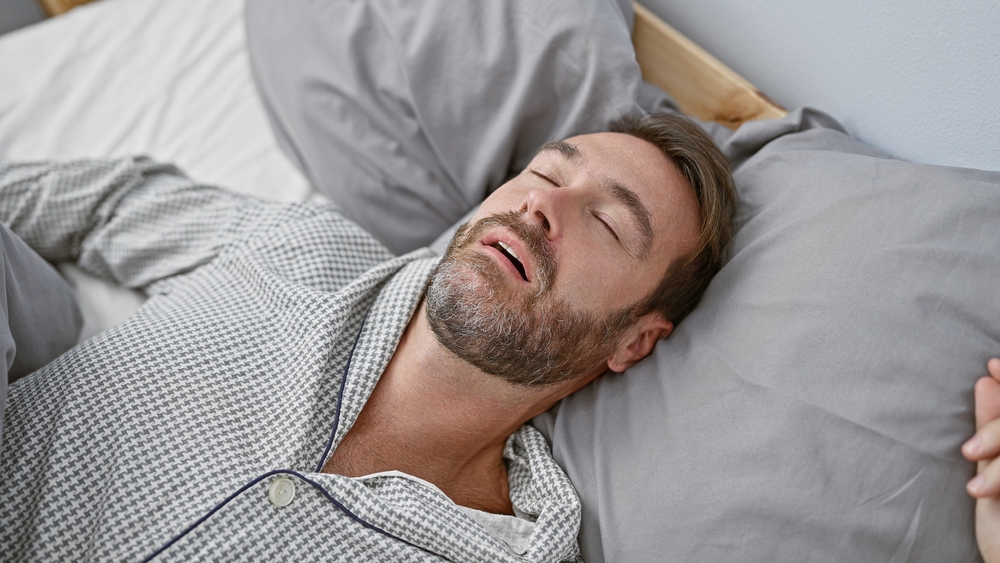
For many, snoring is considered little more than a nightly nuisance, a source of jokes, or the reason a partner is relegated to the couch. However, this common sound can be an audible sign of underlying health issues that should not be ignored. While occasional, light snoring may be harmless, loud and chronic snoring can be a key indicator of serious medical conditions that carry significant long-term risks.
Understanding the distinction between simple snoring and problematic snoring is crucial for safeguarding your health. This article will provide a detailed analysis of what causes snoring, explore the associated health risks, and explain why seeking a professional evaluation is a critical step toward ensuring your well-being.
What Causes Snoring?
Snoring is the sound produced by the vibration of soft tissues in the upper airway during sleep. When you sleep, the muscles in your throat, soft palate, and tongue relax. For some individuals, these tissues can relax to the point where they partially obstruct the airway. As air passes through this narrowed passage, it causes the tissues to vibrate, creating the characteristic sound of a snore.
Several factors can contribute to or worsen snoring:
- Anatomy: The physical structure of your mouth and sinuses can play a role. A low, thick soft palate, an elongated uvula (the tissue that hangs at the back of the throat), or large tonsils can narrow the airway.
- Nasal Congestion: Allergies or a sinus infection can block nasal passages, forcing you to breathe through your mouth and increasing the likelihood of snoring. A deviated septum can also cause chronic nasal obstruction.
- Body Weight: Excess fatty tissue, particularly around the neck, can compress the airway and contribute to its narrowing during sleep.
- Alcohol and Sedatives: These substances excessively relax the throat muscles, interfering with normal breathing patterns and promoting snoring.
- Sleep Position: Sleeping on your back often causes the tongue to fall backward into the throat, partially blocking airflow and leading to snoring.
While these factors explain the mechanics of snoring, it is the severity and pattern of the snoring that determine whether it is a benign annoyance or a red flag for a more serious condition.
The Critical Link Between Snoring and Obstructive Sleep Apnea
The most significant health concern associated with loud, habitual snoring is its strong link to obstructive sleep apnea (OSA). OSA is a serious sleep disorder where breathing is not just partially obstructed, but repeatedly stops and starts throughout the night. The snoring pattern in someone with OSA is often not a steady rhythm; instead, it is characterized by loud snores punctuated by periods of silence, followed by choking or gasping sounds as the brain forces an arousal to resume breathing.
Each of these pauses, known as an apneic event, causes a significant drop in blood oxygen levels. The brain’s subsequent awakening to restore breathing fragments sleep, preventing the body from reaching the deep, restorative stages of sleep necessary for physical and mental repair. Though an individual with OSA may have no memory of these hundreds of nightly arousals, the cumulative effect on the body is profound and dangerous.
The Systemic Health Risks of Problematic Snoring
When snoring is a symptom of untreated obstructive sleep apnea, it signals that the body is undergoing immense nightly stress. This chronic cycle of oxygen deprivation and sleep fragmentation places a heavy burden on multiple organ systems, dramatically increasing the risk of developing severe health complications.
1. Cardiovascular Disease
The cardiovascular system is particularly vulnerable to the effects of OSA. Each apneic event triggers a “fight-or-flight” response, causing a surge in heart rate and blood pressure. Over time, this recurring stress leads to a host of serious cardiovascular problems.
- High Blood Pressure (Hypertension): OSA is a leading secondary cause of hypertension. The repeated drops in oxygen cause blood vessels to constrict, elevating blood pressure not just during sleep but throughout the day. It is estimated that up to 50% of individuals with OSA also suffer from high blood pressure.
- Stroke: Research has demonstrated that individuals with moderate to severe OSA have a significantly higher risk of having a stroke. The strain on the vascular system and fluctuations in blood pressure can contribute to the formation of blood clots or the rupture of blood vessels in the brain.
- Heart Attack and Arrhythmias: The increased workload on the heart can lead to coronary artery disease, heart attack, and irregular heart rhythms like atrial fibrillation (AFib). The constant stress weakens the heart muscle over time, potentially leading to congestive heart failure.
2. Type 2 Diabetes
There is a strong, bidirectional relationship between sleep apnea and metabolic dysfunction. The intermittent oxygen deprivation and sleep fragmentation characteristic of OSA contribute to insulin resistance, a condition where the body’s cells do not respond effectively to insulin. This impairs the body’s ability to regulate blood sugar, significantly increasing the risk of developing type 2 diabetes. For those who already have diabetes, untreated OSA can make it much more difficult to manage.
3. Neurological and Cognitive Impairment
Restorative sleep is vital for brain function. The chronic sleep deprivation associated with OSA can lead to significant cognitive deficits.
- Excessive Daytime Sleepiness: This is one of the most common symptoms. The profound fatigue can impair performance at work or school and diminish overall quality of life.
- Increased Risk of Accidents: Drowsy driving is a major public safety hazard. Studies show that individuals with untreated OSA are several times more likely to be involved in a motor vehicle accident than the general population.
- Cognitive Decline: The lack of restorative sleep and repeated drops in oxygen can impair memory, concentration, and executive function, leading to what many describe as “brain fog.”
When to Seek a Professional Evaluation
It is imperative to differentiate between harmless primary snoring and snoring that signals a more dangerous underlying condition. You should consult a healthcare professional if your snoring is:
- Loud and disruptive to others.
- Accompanied by observed pauses in breathing, gasping, or choking during sleep.
- Associated with symptoms like excessive daytime sleepiness, morning headaches, difficulty concentrating, or high blood pressure.
Ignoring these warning signs means ignoring the potential for progressive damage to your health. A professional evaluation, which may include an overnight sleep study (polysomnography), can accurately diagnose the cause of your snoring and determine if you have OSA.
Treatment Can Mitigate the Risks
The good news is that problematic snoring and obstructive sleep apnea are highly treatable. An accurate diagnosis opens the door to interventions that can restore healthy sleep and dramatically reduce the associated health risks.
Common treatment options include:
- Continuous Positive Airway Pressure (CPAP): A machine delivers a constant stream of air through a mask to keep the airway open during sleep.
- Oral Appliance Therapy: A custom-fitted dental device, similar to a mouthguard, works by repositioning the jaw and tongue to prevent airway collapse. This is often an effective and comfortable alternative for mild to moderate OSA.
- Lifestyle Modifications: For some, weight loss, avoiding alcohol before bed, and changing sleep positions can significantly improve or eliminate snoring.
Conclusion: Take Your Snoring Seriously
Snoring is far more than a simple annoyance. When it is loud, chronic, and accompanied by other warning signs, it serves as a critical alert for underlying health dangers, most notably obstructive sleep apnea. The nightly struggle for breath puts immense strain on your heart, brain, and metabolic systems, paving the way for serious chronic diseases.
Do not dismiss persistent snoring in yourself or a loved one. Seeking a professional diagnosis is not just about achieving a quieter night; it is a proactive and essential step toward protecting your long-term health and well-being. Effective treatments are available that can help you breathe properly, sleep soundly, and safeguard your future.

FAQ About Snoring Health Risks
Q: How do I know if my snoring is dangerous or just annoying? A: Dangerous snoring is loud, chronic, and often accompanied by observed breathing pauses, gasping, choking sounds, excessive daytime sleepiness, morning headaches, or difficulty concentrating. If others complain about your snoring or notice you stop breathing during sleep, seek professional evaluation.
Q: Can snoring really cause heart problems? A: Yes. When snoring indicates sleep apnea, each breathing pause triggers a stress response that surges heart rate and blood pressure. Over time, this repeated cardiovascular strain significantly increases the risk of high blood pressure, heart attack, stroke, and irregular heartbeat.
Q: Why does snoring make me tired during the day? A: Problematic snoring often means your brain is constantly waking you up to restore breathing, fragmenting your sleep. Even though you may not remember these awakenings, they prevent deep, restorative sleep, leaving you exhausted despite spending a full night in bed.
Q: How does snoring affect my risk of diabetes? A: The oxygen deprivation and sleep fragmentation from sleep apnea-related snoring contribute to insulin resistance, making it harder for your body to regulate blood sugar. This significantly increases the risk of developing type 2 diabetes or makes existing diabetes harder to manage.
Q: What’s the difference between using a CPAP machine and an oral appliance for snoring? A: CPAP machines deliver continuous air pressure through a mask to keep airways open and are highly effective for all severities of sleep apnea. Oral appliances are custom-fitted devices that reposition the jaw and tongue to prevent airway collapse, often preferred for mild to moderate cases as they’re more comfortable and portable.
Schedule a Snoring Treatment Assessment Today!