Key Takeaways
- More Than Just a Number: A sleep score is a comprehensive snapshot of your health, combining data on sleep duration, depth, and interruptions to grade your nightly rest.
- Quality Over Quantity: A high score relies on more than just hours in bed; it requires sufficient time in restorative stages like Deep and REM sleep, along with a low resting heart rate.
- Health Implications: Consistently low scores can signal increased risks for physical issues like heart disease and weakened immunity, as well as mental challenges like “brain fog” and emotional irritability.
Your daily sleep score serves as a critical “vital sign” for your overall well-being, offering immediate feedback on how well your body is recovering overnight. Here are the essential points to remember:
Many of us wear a small device on our wrist that tracks our steps, heart rate, and even our sleep. Each morning, it gives us a single number: a sleep score. But what does that number actually mean? Is a score of 85 good? Should you worry about a 62? This score is more than just a data point; it’s a powerful indicator of your overall health.
Your sleep score offers a daily snapshot of your body’s recovery and readiness for the day ahead. Understanding its components can help you unlock better physical performance, sharper mental clarity, and improved emotional balance.
This article will break down what your sleep score really means, how it’s calculated, and why paying attention to it is one of the best things you can do for your long-term health.
What is a Sleep Score?
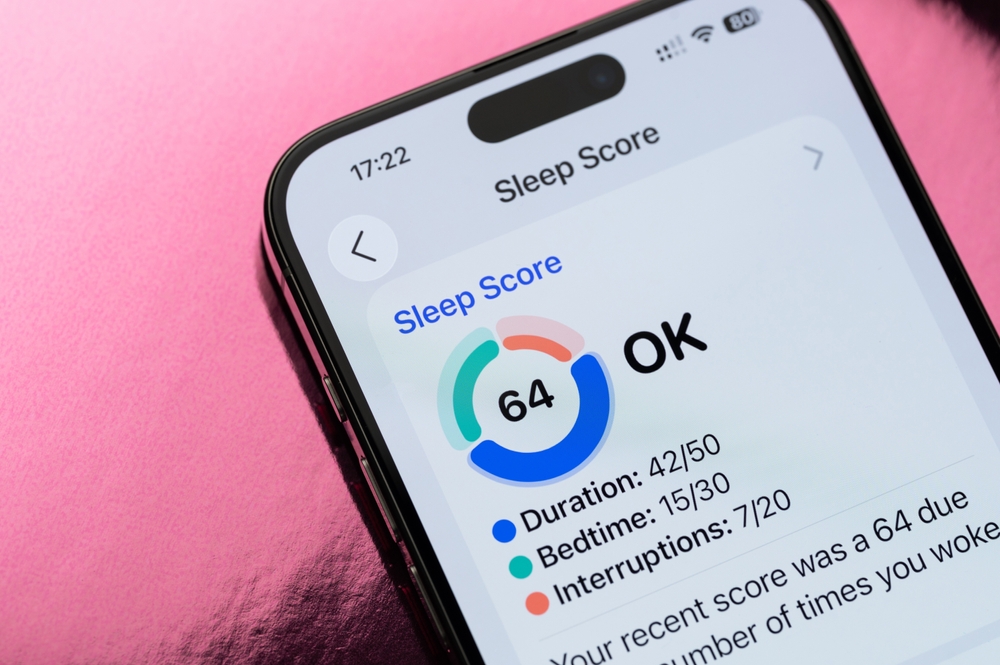
A sleep score is a single, easy-to-understand number that summarizes your sleep quality from the previous night. Most wearable devices, like smartwatches and fitness trackers, calculate this score using data collected from built-in sensors. These sensors monitor your movement, heart rate, and even breathing patterns to create a comprehensive picture of your night.
While the exact formula can vary between brands, most sleep scores are based on a scale of 0 to 100. A higher score generally indicates better quality sleep. Think of it as a grade for your nightly rest. Just as a good grade reflects strong performance in school, a high sleep score reflects a night of restorative, high-quality sleep.
How Your Sleep Score is Calculated
Your final score isn’t just pulled from thin air. It’s a composite metric derived from several key factors. Understanding these components helps you pinpoint exactly where your sleep might be falling short.
1. Sleep Duration
This is the simplest metric: how long you were asleep. Most adults need 7 to 9 hours of sleep per night for optimal health. Your score will be lower if you fall significantly short of this target. Duration provides the foundation for good sleep, but it’s only one part of the equation.
2. Sleep Quality & Stages
Not all sleep is created equal. Your body cycles through different sleep stages throughout the night: light sleep, deep sleep, and REM (Rapid Eye Movement) sleep. Each stage plays a unique role in your health.
- Deep Sleep: This is the most physically restorative stage. During deep sleep, your body repairs tissues, builds bone and muscle, and strengthens the immune system. A healthy adult typically spends 13-23% of their night in this stage.
- REM Sleep: This stage is crucial for mental restoration. It’s when your brain processes emotions, consolidates memories, and engages in dreaming. REM sleep is essential for learning and creativity. It should make up about 20-25% of your total sleep time.
- Light Sleep: This initial stage acts as the gateway to deeper sleep. While it’s less restorative than deep or REM sleep, it still plays an important role.
Your sleep score reflects whether you spent enough time in each of these critical stages.
3. Restoration & Heart Rate
A key sign of restorative sleep is a dip in your resting heart rate. During the night, your heart rate should drop below your usual daytime resting rate. This indicates your cardiovascular system is getting a much-needed break. Many trackers measure your heart rate variability (HRV) as well, which is a sign of how well your nervous system is recovering from stress. A low, stable heart rate overnight contributes positively to your score.
4. Disturbances & Restlessness
Did you toss and turn all night? Your tracker knows. It measures how often you wake up, even for brief moments you don’t remember. These interruptions, known as “wake after sleep onset,” fragment your sleep and prevent you from reaching the deeper, more restorative stages. A high number of disturbances will lower your score, as it indicates your sleep was not continuous.
Why Your Sleep Score Matters for Your Health
That single number has profound implications for your physical, mental, and emotional well-being. Consistently low scores can be a warning sign that something is amiss.
Physical Health
Poor sleep quality is linked to a host of serious health problems. When you consistently fail to get restorative sleep, your risk for conditions like heart disease, type 2 diabetes, and obesity increases. A lack of deep sleep impairs your immune system, making you more susceptible to infections. For those who are active, poor sleep hinders muscle recovery, reduces athletic performance, and increases the risk of injury.
Mental Performance
Your brain depends on sleep to function properly. When your sleep scores are low, you’ll likely feel the effects the next day. These can include:
- “Brain fog” or difficulty concentrating
- Impaired memory and learning
- Reduced problem-solving skills
- Slower reaction times
REM sleep is particularly important for cognitive function. If your score shows you’re not getting enough of it, your mental sharpness will suffer.
Emotional Well-being
Have you ever felt irritable or short-tempered after a bad night’s sleep? That’s because sleep is deeply connected to emotional regulation. The part of your brain responsible for controlling emotional responses, the amygdala, becomes overactive when you are sleep-deprived. This makes you more prone to mood swings, anxiety, and stress. Consistently high sleep scores, on the other hand, support emotional resilience and a more positive outlook.
Actionable Tips to Improve Your Sleep Score
Seeing a low sleep score can be discouraging, but the great news is that you have the power to change it. Use it as a diagnostic tool, not a judgment. Here are some proven strategies to boost your numbers.
1. Maintain a Consistent Schedule
Go to bed and wake up at the same time every day, even on weekends. This helps regulate your body’s internal clock, or circadian rhythm, making it easier to fall asleep and wake up naturally.
2. Create a Sleep-Friendly Environment
Your bedroom should be a sanctuary for sleep. Optimize it by:
- Keeping it cool: The ideal temperature for sleep is around 65°F (18°C).
- Making it dark: Use blackout curtains or an eye mask to block out all light.
- Ensuring it’s quiet: Use earplugs or a white noise machine to drown out disruptive sounds.
3. Develop a Relaxing Wind-Down Routine
You can’t expect your brain to switch off instantly. Dedicate the last 30-60 minutes before bed to calming activities. This could include reading a book, taking a warm bath, listening to soft music, or practicing gentle stretching. Avoid screens, as the blue light they emit can interfere with melatonin production, the hormone that signals sleep.
4. Manage Stress and Be Mindful of What You Consume
Stress is a major enemy of sleep. Incorporate stress-management techniques like meditation, deep breathing, or journaling into your day. Also, be mindful of stimulants like caffeine and nicotine, especially in the afternoon and evening. While alcohol might make you feel drowsy initially, it disrupts sleep later in the night, particularly REM sleep.
Conclusion: Prioritize Your Sleep for a Healthier Life
Your sleep score is more than just a number from your smartwatch; it’s a vital sign for your overall health. It offers clear, personalized feedback on your body’s nightly recovery process. By understanding what contributes to your score, you can make targeted changes that have a massive impact on how you feel and function every day.
Don’t just track your sleep—act on the data it provides. Prioritizing consistent, high-quality rest is not a luxury; it’s a fundamental pillar of a healthy and vibrant life. Start tonight by making one small change, and watch how your score and your health begin to improve.

FAQ: Understanding Sleep Scores
Q: What is considered a “good” sleep score?
A: While every device uses a slightly different algorithm, a sleep score above 80 is generally considered “good” or optimal. Scores between 70 and 79 typically indicate fair sleep, while anything below 70 suggests your sleep quality needs improvement. However, it is more important to look at your personal trends over time rather than obsessing over a single night’s number.
Q: Can I have a high sleep score even if I slept less than 8 hours?
A: Yes, it is possible, though less common. Sleep scores weigh quality heavily. If you slept for 6.5 hours but spent a significant amount of time in deep and REM sleep with very few interruptions, your score might still be relatively high. Quality often trumps quantity, but consistently short sleep will eventually drag your score (and your health) down.
Q: Why does my sleep score drop after drinking alcohol?
A: Alcohol is a major sleep disruptor. While it might help you fall asleep faster (improving “sleep latency”), it severely fragments your sleep later in the night. It specifically suppresses REM sleep and often keeps your resting heart rate elevated. Your tracker detects this lack of restorative sleep and stress on your heart, resulting in a much lower score.
Q: How accurate are wearable sleep trackers?
A: Modern wearables are surprisingly good at estimating sleep duration and schedules, usually within a reasonable margin of error compared to clinical equipment. However, they are less precise at distinguishing between specific sleep stages (like differentiating Light from Deep sleep). Think of your sleep score as a helpful directional tool for spotting trends and habits rather than a medical diagnosis.