
Why Sleep Apnea Affects the Heart, Metabolism, and Overall Health
- Each breathing pause triggers a physiological crisis – Oxygen levels plummet while carbon dioxide rises, forcing the brain to release stress hormones and jolt the body awake to restore breathing.
- The cardiovascular system suffers repeated trauma – Heart rate spikes and blood pressure soars hundreds of times per night, leading to hypertension, heart attacks, strokes, and irregular heartbeat.
- Creates chronic inflammation and metabolic damage – The cycle of oxygen deprivation and re-oxygenation promotes systemic inflammation, insulin resistance, and contributes to type 2 diabetes.
- Treatment stops the nightly damage cycle – CPAP therapy and oral appliances keep airways open, restore normal oxygen levels, and allow restorative sleep that lets the body heal.
Sleep apnea is a term that many have heard, often associated with loud snoring. However, the reality of this condition is far more complex and dangerous than a simple nighttime noise. It is a serious sleep disorder where breathing repeatedly stops and starts, triggering a cascade of physiological responses that can have profound consequences for long-term health. To truly grasp its severity, it is essential to understand the science of what happens inside your body during an apneic event. Apneic events are temporary pauses in breathing, most commonly occurring during sleep in conditions like sleep apnea, where the brain briefly rouses you to restart breathing.
This article will delve into the physiological processes that define sleep apnea. We will explore what occurs in your brain, cardiovascular system, and respiratory system when you stop breathing during sleep, examine the immediate and chronic health impacts, and underscore the critical importance of diagnosis and treatment.
Understanding the Mechanics of Breathing During Sleep
Under normal circumstances, breathing is an automatic process controlled by the brainstem. During sleep, your throat muscles relax, but the airway remains open enough for air to flow freely into the lungs. This ensures a steady supply of oxygen to the blood, which is then circulated throughout the body to sustain cellular function.
In a person with Obstructive Sleep Apnea (OSA), the most common form of the disorder, the muscles in the back of the throat relax excessively. This allows soft tissues, such as the tongue and soft palate, to collapse and physically block the upper airway. This obstruction prevents air from reaching the lungs, even as the chest and diaphragm continue to try to draw in a breath.
A less common form, Central Sleep Apnea (CSA), occurs when the brain fails to send the proper signals to the muscles that control breathing, leading to a temporary cessation of respiratory effort. In both cases, the result is the same: a pause in breathing known as an apnea.
The Body’s Emergency Response: Inside an Apneic Event
An apneic event, which can last from ten seconds to over a minute, sets off a series of alarms within the body. This is not a passive event; it is a physiological crisis that triggers a powerful “fight-or-flight” survival response.
1. Oxygen Levels Plummet, Carbon Dioxide Rises
The most immediate consequence of a blocked airway is a drop in blood oxygen saturation, a condition called hypoxemia. As you stop breathing, your lungs can no longer supply oxygen to the red blood cells. Simultaneously, carbon dioxide (CO2), a waste product of metabolism, cannot be exhaled and begins to accumulate in the bloodstream, leading to hypercapnia.
2. The Brain Sounds the Alarm
Specialized chemical receptors in the brain and major arteries (chemoreceptors) detect these dangerous changes in blood gas levels. In response, they send urgent signals to the brain’s respiratory control center. The brain realizes it is in a state of asphyxiation and initiates a powerful emergency arousal to save itself.
3. A Surge of Stress Hormones
This arousal triggers the sympathetic nervous system to release a flood of stress hormones, primarily adrenaline and cortisol. This is the same hormonal cascade that occurs when you face an immediate physical threat. The purpose is to jolt the body awake just enough to restore muscle tone in the throat and reopen the airway.
4. The Cardiovascular System Under Duress
The surge of stress hormones has an immediate and violent effect on the cardiovascular system:
- Heart Rate Spikes: The heart begins to beat rapidly and forcefully to circulate what little oxygenated blood is available.
- Blood Pressure Soars: The hormones cause blood vessels throughout the body to constrict, leading to a sharp increase in blood pressure. This is the body’s attempt to speed up blood flow to vital organs.
5. Breathing Resumes with a Gasp
Finally, the arousal from sleep is successful. The throat muscles tighten, the airway reopens, and the individual takes a sharp, reflexive breath. This is often accompanied by a loud snore, gasp, or choking sound as air rushes past the obstruction. Blood oxygen levels slowly begin to normalize, and the brain allows the body to fall back asleep.
For a person with moderate to severe sleep apnea, this entire cycle can repeat hundreds of times in a single night. The body is trapped in a relentless loop of oxygen deprivation, stress response, and fragmented sleep, never reaching the deep, restorative stages of sleep needed for health and recovery.
The Long-Term Consequences of Nightly Crises
The immediate effects of these apneic events are severe, but it is their cumulative impact over months and years that leads to life-threatening chronic diseases. The body is not designed to withstand this level of repeated nightly trauma.
Systemic Inflammation
The recurrent cycle of hypoxemia and re-oxygenation creates a state of high oxidative stress throughout the body. This, in turn, promotes chronic, low-grade inflammation, a key contributing factor in many of the diseases associated with sleep apnea.
Cardiovascular Disease
The cardiovascular system bears the heaviest burden. The nightly surges in blood pressure and heart rate, combined with systemic inflammation, lead to lasting damage.
- Hypertension (High Blood Pressure): Sleep apnea is a leading secondary cause of hypertension. The body becomes conditioned to a state of high alert, and blood pressure remains elevated even during the day.
- Heart Attack and Stroke: The constant strain on the heart and blood vessels increases the risk of a heart attack. The pressure fluctuations and inflammation can also damage the lining of arteries, promoting atherosclerosis (hardening of the arteries) and increasing the risk of stroke.
- Atrial Fibrillation (AFib): The pressure changes within the chest and the stretching of the heart’s chambers can trigger this common and dangerous irregular heartbeat.
Metabolic Dysfunction
Untreated sleep apnea severely disrupts the body’s metabolic processes.
- Type 2 Diabetes: Sleep fragmentation and intermittent hypoxemia contribute to insulin resistance, a condition where the body’s cells cannot use insulin effectively. This dramatically increases the risk of developing type 2 diabetes and makes existing diabetes harder to control.
- Obesity: Poor sleep alters the hormones that regulate appetite, increasing ghrelin (the “hunger hormone”) and decreasing leptin (the “satiety hormone”). This can lead to increased cravings for high-calorie foods and subsequent weight gain, which in turn can worsen sleep apnea.
Neurological and Cognitive Decline
The brain is highly sensitive to oxygen deprivation. The cumulative effect of nightly hypoxemia and sleep fragmentation can lead to:
- Cognitive Impairment: Difficulties with memory, concentration, and executive function are common.
- Increased Accident Risk: Excessive daytime sleepiness resulting from the lack of restorative sleep makes individuals with OSA several times more likely to be involved in motor vehicle and workplace accidents.
The Critical Importance of Treatment
Understanding the science behind sleep apnea makes one thing clear: this is not a condition that can be ignored. The nightly pauses in breathing are not harmless; they are moments of profound physiological stress that systematically damage the body over time.
Fortunately, sleep apnea is highly treatable. Diagnosis typically involves an overnight sleep study (polysomnography) that measures breathing patterns, oxygen levels, and sleep stages. Effective treatments, such as Continuous Positive Airway Pressure (CPAP) or custom-fitted oral appliance therapy, work by keeping the airway open during sleep. These interventions stop the cycle of apnea, restore normal oxygen levels, and allow the body to achieve the deep, restorative sleep it needs to heal.
Conclusion: Heed the Warning Signs
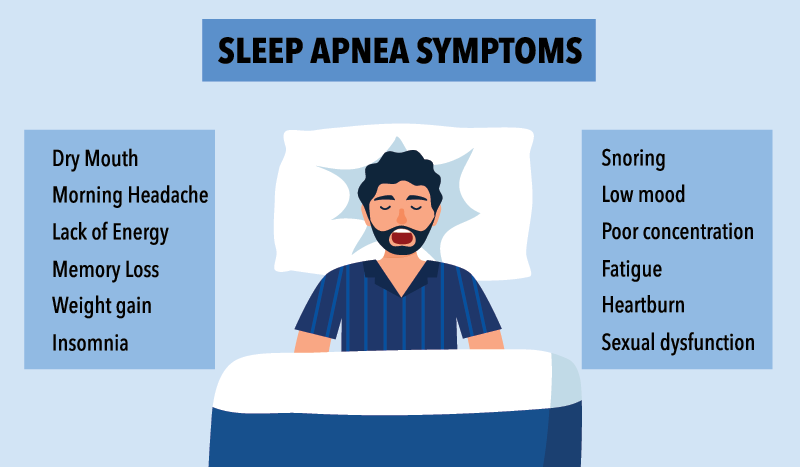
The science is unequivocal: untreated sleep apnea is a silent threat with devastating long-term health consequences. Each pause in breathing is a crisis that injures the heart, brain, and metabolic systems. Dismissing loud snoring, daytime fatigue, or observed gasping during sleep is a gamble with your health. Seeking a professional diagnosis is the most important step you can take to halt the progression of this damage and protect your future well-being.

FAQ About Sleep Apnea Science
Q: What exactly happens in my body when I stop breathing during sleep? A: When your airway becomes blocked, oxygen levels in your blood drop while carbon dioxide accumulates. Your brain detects this dangerous change and triggers an emergency response, flooding your system with stress hormones like adrenaline to jolt you awake just enough to reopen your airway and resume breathing.
Q: Why does sleep apnea cause high blood pressure even during the day? A: Each apnea episode causes your blood vessels to constrict and your heart rate to spike as stress hormones surge through your system. With moderate to severe sleep apnea, this happens hundreds of times per night, conditioning your cardiovascular system to remain in a state of high alert even when you’re awake.
Q: How can breathing problems during sleep affect my blood sugar? A: The repeated oxygen deprivation and sleep fragmentation from sleep apnea contributes to insulin resistance, where your body’s cells don’t respond effectively to insulin. This makes it much harder to regulate blood sugar levels and significantly increases your risk of developing type 2 diabetes.
Q: Why am I so tired during the day if I don’t remember waking up at night? A: Your brain briefly arouses you hundreds of times per night to restore breathing, but these awakenings are often too short to remember. However, they prevent you from reaching deep, restorative sleep stages, leaving you exhausted despite spending a full night in bed.
Q: Can treating my sleep apnea reverse the damage that’s already been done? A: While some effects may be permanent, treating sleep apnea can significantly improve many conditions and prevent further damage. Blood pressure often decreases, diabetes management becomes easier, and cognitive function can recover. The key is stopping the nightly cycle of oxygen deprivation that causes ongoing harm to your body’s systems.