The Long-Term Risks of Ignoring Sleep Apnea
- Sleep apnea causes repeated breathing stops during sleep – Leading to dangerous oxygen drops and fragmented sleep hundreds of times per night.
- Major cardiovascular risks – Significantly increases chances of high blood pressure, heart attacks, strokes, and heart failure.
- Affects metabolism and brain function – Contributes to diabetes, weight gain, cognitive impairment, and accident risk from daytime sleepiness.
- Highly treatable condition – CPAP, oral appliances, and other treatments can eliminate or dramatically reduce health risks.
Sleep is a fundamental biological process, essential for physical and mental restoration. For millions of people, however, this restorative process is disrupted by a serious medical condition: sleep apnea. More than just loud snoring, sleep apnea involves repeated interruptions in breathing during sleep, leading to a cascade of health issues. Understanding the significant risks associated with untreated sleep apnea is the first step toward seeking effective treatment and protecting your long-term health.
This article will provide a detailed overview of sleep apnea, its common symptoms, and the substantial health dangers posed by leaving the condition unmanaged. We will explore the scientific evidence linking it to severe chronic diseases and underscore the critical importance of professional diagnosis and intervention.
What is Sleep Apnea?
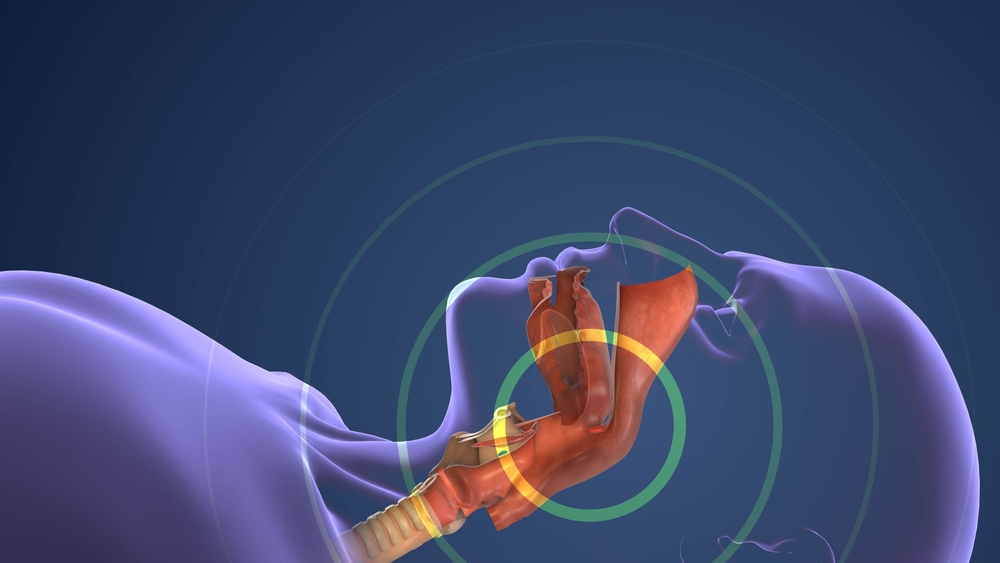
Sleep apnea is a sleep disorder characterized by recurrent episodes of partial or complete upper airway obstruction during sleep. The term “apnea” literally means “without breath.” These pauses in breathing can last from a few seconds to over a minute and may occur hundreds of times throughout the night.
When breathing stops, the brain triggers a brief arousal from sleep to reopen the airway. This process is often so quick that the individual has no memory of it the next morning. However, these constant arousals fragment sleep, preventing the body from reaching the deep, restorative stages necessary for optimal function.
There are three main types of sleep apnea:
- Obstructive Sleep Apnea (OSA): This is the most common form, occurring when the throat muscles relax and block the airway during sleep.
- Central Sleep Apnea (CSA): This form is less common and happens when the brain fails to send the proper signals to the muscles that control breathing.
- Complex (or Mixed) Sleep Apnea Syndrome: This is a combination of both OSA and CSA.
The primary consequence of these breathing cessations is a significant drop in blood oxygen levels (hypoxemia) and an increase in carbon dioxide levels. This repeated cycle of oxygen deprivation and sleep fragmentation places immense stress on the entire body.
Recognizing the Symptoms
Because many of the primary events of sleep apnea occur during sleep, they often go unnoticed by the individual suffering from the condition. A bed partner is frequently the first to observe the signs. However, the effects of fragmented sleep manifest in numerous daytime symptoms.
Key symptoms to be aware of include:
- Loud, persistent snoring: Often punctuated by choking or gasping sounds.
- Observed pauses in breathing: Reported by a partner or family member.
- Excessive daytime sleepiness: Feeling overwhelmingly tired despite a full night in bed.
- Morning headaches: Caused by low oxygen levels during the night.
- Difficulty concentrating: Impaired cognitive function and memory.
- Irritability and mood swings: Resulting from poor sleep quality.
- Waking up with a dry mouth or sore throat.
- Frequent nighttime urination (nocturia).
If you experience several of these symptoms, it is crucial to consult a healthcare professional for a proper evaluation.
The Systemic Risks of Untreated Sleep Apnea
The consequences of untreated sleep apnea extend far beyond feeling tired. The chronic oxygen deprivation and stress from constant waking subject the cardiovascular, metabolic, and neurological systems to significant strain. This dramatically increases the risk of developing serious and life-threatening health conditions.
Cardiovascular Complications
The cardiovascular system is perhaps the most affected by untreated sleep apnea. Each apnea event triggers a “fight or flight” response, causing a surge in heart rate and blood pressure. Over time, this recurring stress leads to a host of problems.
- High Blood Pressure (Hypertension): Sleep apnea is a leading secondary cause of hypertension. Studies show that up to 50% of individuals with sleep apnea also have high blood pressure. The repeated drops in oxygen cause blood vessels to constrict, elevating blood pressure even during waking hours.
- Heart Attack and Stroke: The strain on the heart and vascular system increases the risk of myocardial infarction (heart attack) and cerebrovascular accident (stroke). Research has demonstrated that individuals with moderate to severe OSA have a significantly higher risk of stroke and cardiovascular-related death.
- Atrial Fibrillation (AFib): Sleep apnea is strongly linked to this common type of irregular heartbeat. The pressure changes in the chest and oxygen fluctuations can stretch the heart’s chambers, leading to AFib. Treating sleep apnea has been shown to improve the success rate of AFib treatments.
- Congestive Heart Failure: The increased workload on the heart can lead to a weakening of the heart muscle, impairing its ability to pump blood effectively and potentially resulting in congestive heart failure.
Metabolic and Endocrine System Impact
Sleep apnea also disrupts the body’s metabolic processes, increasing the likelihood of developing serious metabolic disorders.
- Type 2 Diabetes: There is a strong, bidirectional relationship between sleep apnea and type 2 diabetes. Sleep fragmentation and intermittent hypoxia contribute to insulin resistance, a condition where cells do not respond effectively to insulin. This makes it harder for the body to regulate blood sugar, leading to the development or worsening of diabetes.
- Obesity: While obesity is a major risk factor for developing OSA, the condition can also make weight loss more difficult. The hormonal imbalances caused by poor sleep, including increased ghrelin (the “hunger hormone”) and decreased leptin (the “satiety hormone”), can lead to increased appetite and weight gain.
Neurological and Cognitive Consequences
The brain relies on restorative sleep and a consistent oxygen supply to function properly. Untreated sleep apnea compromises both.
- Cognitive Impairment: The constant sleep interruptions and oxygen deprivation can lead to difficulties with concentration, memory, and executive function. This can impact performance at work or school and increase the risk of errors.
- Increased Risk of Accidents: Excessive daytime sleepiness is a major public safety concern. Drowsy driving caused by untreated sleep apnea significantly increases the risk of motor vehicle accidents. Individuals with OSA are several times more likely to be involved in a car crash than the general population.
- Mood Disorders: The link between poor sleep and mental health is well-established. Those with sleep apnea have a higher prevalence of depression and anxiety, likely due to a combination of sleep deprivation, hormonal changes, and the overall stress the condition places on the body.
The Importance of Diagnosis and Treatment
Given the profound health risks, it is imperative that sleep apnea is not ignored. The condition is highly treatable, and intervention can dramatically reduce or even eliminate the associated dangers. Diagnosis typically involves a consultation with a sleep specialist and an overnight sleep study (polysomnography), which can be conducted in a lab or at home.
Treatment options vary based on the severity and type of sleep apnea:
- Continuous Positive Airway Pressure (CPAP): This is the most common and effective treatment. A machine delivers a constant stream of air through a mask, keeping the airway open during sleep.
- Oral Appliance Therapy: For mild to moderate OSA, a custom-fitted dental device can be worn to reposition the jaw and tongue, preventing airway collapse. This is often a preferred alternative for those who cannot tolerate CPAP.
- Lifestyle Modifications: Weight loss, avoiding alcohol before bed, and changing sleep positions can significantly improve symptoms for some individuals.
- Surgical Procedures: In some cases, surgery to remove excess tissue from the throat or reposition the jaw may be recommended.
Conclusion: Take Action for Your Health
Untreated sleep apnea is a silent threat with far-reaching consequences for your health and quality of life. The recurring pauses in breathing do more than just disrupt sleep—they systematically damage the body, increasing your risk for hypertension, heart attack, stroke, diabetes, and cognitive decline.
Recognizing the symptoms in yourself or a loved one is the first critical step. Do not dismiss persistent snoring, daytime fatigue, or morning headaches as minor inconveniences. These are potential warning signs of a serious underlying medical condition. Seeking a professional diagnosis is not just about getting a better night’s sleep; it is about protecting your heart, your brain, and your future. Effective treatments are available that can restore healthy sleep and mitigate these hidden dangers.

FAQ About Sleep Apnea Dangers
Q: How do I know if my snoring is actually sleep apnea? A: Look for snoring accompanied by choking or gasping sounds, observed breathing pauses during sleep, excessive daytime sleepiness despite a full night’s rest, morning headaches, and difficulty concentrating. A bed partner often notices these signs first.
Q: Can untreated sleep apnea really cause a heart attack or stroke? A: Yes. Each breathing interruption triggers a stress response that increases heart rate and blood pressure. Over time, this repeated cardiovascular strain significantly raises the risk of heart attacks, strokes, and other serious heart conditions.
Q: Why does sleep apnea make it harder to lose weight? A: Sleep apnea disrupts hormones that control hunger and satiety, increasing ghrelin (hunger hormone) and decreasing leptin (fullness hormone). This leads to increased appetite and cravings, making weight management more difficult.
Q: How dangerous is driving with untreated sleep apnea? A: Very dangerous. People with untreated sleep apnea are several times more likely to be involved in car accidents due to excessive daytime sleepiness and impaired cognitive function from fragmented sleep.
Q: Will treating my sleep apnea reverse the health damage that’s already been done? A: Treatment can significantly improve many conditions and prevent further damage. Blood pressure often improves, diabetes management becomes easier, and cognitive function can recover. However, some effects may be permanent, which is why early treatment is so important.
Tired of wondering if you have sleep apnea? Schedule and appointment today.