
Key Takeaways
- Sleep apnea affects children too, impacting an estimated 1% to 5% of kids.
- In children, the condition is often structural, relating to enlarged tonsils, narrow airways, or chronic allergies.
- Daytime behavior issues, such as hyperactivity or poor focus, are common signs of poor sleep quality.
Early evaluation can lead to simple, non-invasive treatments that drastically improve your child’s health and daily life.You check on your child at night, expecting to see them sleeping soundly. But as you stand by the door, you notice something a bit different. Maybe they are tossing and turning, breathing heavily through their mouth, or making soft snoring sounds.
For many parents, these little nighttime quirks seem completely normal. Children are active, and a little restlessness or snoring might just look like the result of a busy day. But what if those restless nights are actually a sign of a hidden struggle? This leads to an important question: Can children actually have sleep apnea?
Yes, they absolutely can. Pediatric sleep apnea is much more common than many parents realize. It is also frequently overlooked because the symptoms in kids often look very different than they do in adults.
Yes, Kids Can Have Sleep Apnea
Sleep apnea is a condition where a person experiences repeated pauses in their breathing during sleep. When we hear the term, we usually picture older adults. However, children can and do experience these same breathing interruptions.
Research estimates that between 1% and 5% of children have sleep apnea. The challenge for parents is that it does not always look the way you might expect. Because kids are still growing and developing, their bodies react to sleep deprivation in unique ways.
What Causes Sleep Apnea in Children?
In adults, sleep apnea is often related to lifestyle factors. In children, the root cause is usually structural. Something physical is temporarily blocking their airway while they rest.
Enlarged Tonsils and Adenoids
This is the most common cause of sleep apnea in children. When tonsils and adenoids become enlarged, they take up valuable space in the back of the throat. As your child’s muscles relax during sleep, these enlarged tissues can partially or completely block the airway.
Airway Structure
Sometimes, the natural shape of a child’s mouth and jaw plays a role. A narrow airway, the specific development of the jaw, or the resting position of the tongue can make breathing difficult at night. Proper airway-focused care can help address these developmental factors early on.
Allergies or Chronic Congestion
If your child suffers from seasonal allergies or chronic nasal congestion, breathing through their nose becomes a difficult task. This naturally leads to mouth breathing at night. Over time, chronic mouth breathing changes how the jaw develops and increases the risk of sleep apnea.
Other Factors
While less common in children than in adults, obesity can contribute to airway narrowing. Additionally, certain medical, genetic, or developmental conditions can increase a child’s likelihood of experiencing breathing disruptions during sleep.
Signs of Sleep Apnea During the Night
Kids do not always sleep peacefully, even if they appear to be asleep. Keep an eye out for these subtle nighttime clues:
- Snoring: Pay attention if the snoring is consistent, loud, or accompanied by gasping sounds.
- Pauses in breathing: You might notice brief moments where your child seems to stop breathing, followed by a sharp gasp or snort.
- Restless sleep: Frequent tossing, turning, and kicking can indicate that their body is struggling to get enough oxygen.
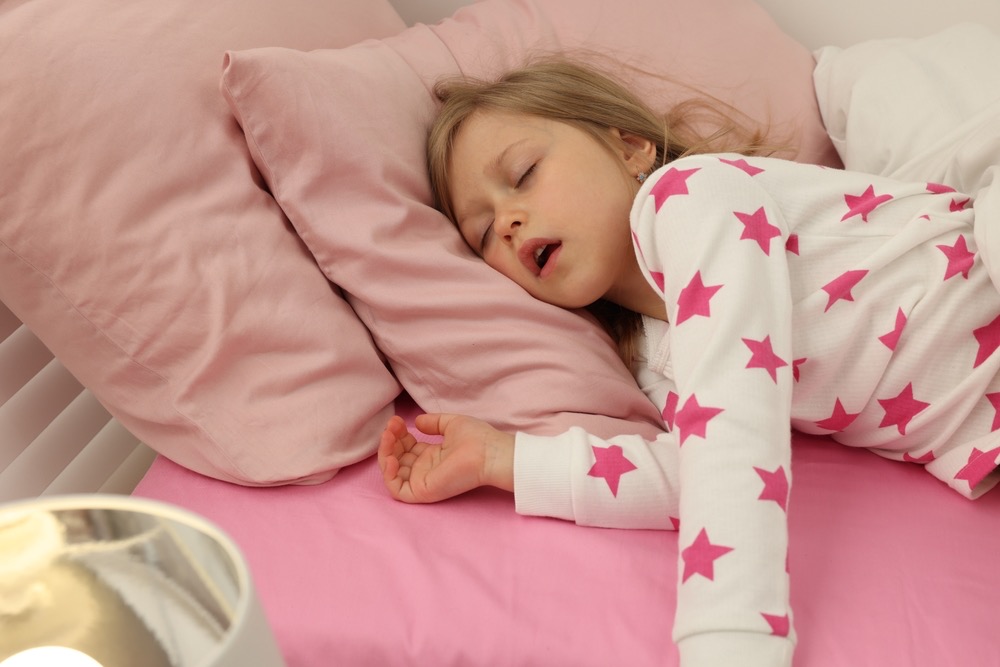
- Mouth breathing: Sleeping with their mouth open regularly is a major indicator of an airway restriction.
- Night sweats: Waking up unusually sweaty, or sleeping in strange positions (like with their neck hyper-extended), are signs their body is working hard to breathe.
Daytime Signs Parents Often Miss
During the day, a child’s lack of quality sleep rarely looks like typical fatigue. Poor sleep often shows up as behavioral issues, which is why the root cause is frequently missed.
Watch for increased irritability or sudden mood swings. Your child might have difficulty focusing at school or exhibit behavioral challenges at home. Interestingly, sleep-deprived kids often become hyperactive rather than sluggish. This hyperactivity is frequently mistaken for ADHD.
You might also notice them having a very hard time waking up in the morning. They may complain of a dry mouth or continue to breathe through their mouth while watching television or playing.
Why It Is Easy to Overlook
It is incredibly easy to miss the signs of pediatric sleep apnea. Snoring in children is often brushed off as cute or entirely normal. Furthermore, the daytime symptoms overlap heavily with standard childhood challenges.
Kids rarely possess the vocabulary to say they feel chronically fatigued. If your child has always slept a certain way, or always acted a bit hyperactive, it can easily feel normal to you.
Why Early Detection Matters
Sleep is critical for how children grow, think, and feel. When a child’s sleep is constantly interrupted, their brain and body do not get the restorative rest they need.
Untreated sleep apnea can impact their physical growth and facial development. It can hinder their learning, memory, and academic performance. Behavior and emotional regulation also become much harder for a child who is constantly running on empty. Catching this early helps protect their overall health and development.
When to Talk to a Professional
You do not have to wait for symptoms to become severe before seeking advice. Consider an evaluation if your child:
- Snores on a regular basis.
- Has restless or highly disrupted sleep.
- Shows unexplained behavioral or focus challenges during the day.
- Breathes through their mouth most of the time.
- Seems tired or cranky despite getting a full night’s sleep.
What Treatment Can Look Like
If your child is diagnosed with sleep apnea, try not to worry. Many solutions are non-invasive, highly effective, and tailored specifically to kids.
Treatment always depends on the underlying cause. It may involve working with a specialist to address enlarged tonsils and adenoids. We also focus heavily on therapies that improve nasal breathing. In many cases, custom oral appliances can help guide proper jaw development and keep the airway open at night.
Helping Your Child Breathe Easier
You know your child better than anyone else. If something feels off about how they sleep, breathe, or behave during the day, it is absolutely worth paying attention to. Better sleep can make a massive difference in your child’s health, mood, and daily life.
If you suspect your child might be struggling with their sleep, the team at Bohon Sleep & TMJ Therapy in Columbia, MO, is here to help. We provide compassionate, expert care to restore healthy, restful sleep for your whole family. Reach out today to schedule a consultation and learn more about your options.

Frequently Asked Questions
Can children outgrow sleep apnea?
Some children may see improvements as they grow and their airway expands. However, relying on them to simply outgrow it can lead to years of poor sleep and developmental issues. It is always best to have their symptoms evaluated by a professional.
Is snoring always a sign of sleep apnea in kids?
Not always. Occasional snoring from a cold or temporary congestion is normal. However, loud, consistent snoring—especially when accompanied by gasping or pauses in breathing—is a strong indicator that an evaluation is needed.
How do dentists help treat pediatric sleep apnea?
Specially trained dentists can provide custom oral appliances. These comfortable devices gently support the jaw, encourage proper tongue placement, and help expand the palate. This effectively keeps the airway open and promotes healthy nasal breathing while your child sleeps.