
Key Takeaways
- It Starts with a Specialist: The process begins with a thorough consultation and diagnosis from a sleep specialist or a dentist trained in sleep medicine to confirm that oral appliance therapy is the right choice for you.
- Customization is Crucial: Your appliance is custom-made from precise digital scans or impressions of your teeth to ensure a perfect, comfortable, and effective fit.
- Adjustment is Part of the Process: The initial fitting is just the beginning. Follow-up visits are necessary to fine-tune the appliance for maximum comfort and effectiveness.
- Consistency is Key to Success: For the therapy to work, the appliance must be worn every night as directed by your provider.
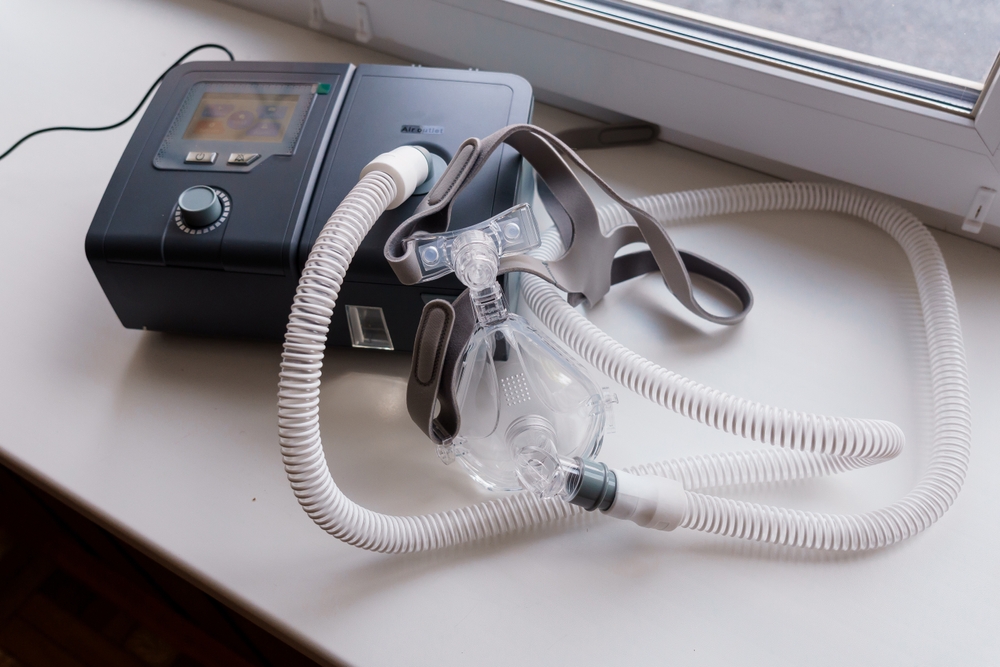
If you’ve been diagnosed with obstructive sleep apnea or are struggling with chronic jaw pain from a TMJ disorder, you may have heard about oral appliance therapy. This treatment involves wearing a custom-fitted device, similar to a retainer, while you sleep. It is a highly effective, non-invasive alternative to CPAP machines and can provide significant relief from symptoms.
However, starting any new medical treatment can feel overwhelming. What does the process look like? Who do you see? What should you expect? Knowing the steps involved can demystify the process and empower you to take control of your health with confidence.
This guide breaks down the journey of starting oral appliance therapy into six clear, manageable steps, from your first consultation to long-term care.

Step 1: Consultation and Diagnosis
The first and most important step is getting a proper diagnosis. You cannot simply buy an oral appliance and expect it to work. The journey begins with a consultation with a qualified healthcare provider, typically a sleep physician or a dentist with specialized training in dental sleep medicine.
During this visit, your provider will:
- Review Your Medical History: They will discuss your symptoms, such as snoring, daytime fatigue, morning headaches, or jaw pain.
- Conduct a Physical Examination: This involves examining your airway, jaw, tongue, and teeth to assess your anatomy.
- Recommend Diagnostic Testing: If sleep apnea is suspected, you will likely need a sleep study (polysomnogram). This can be done overnight at a sleep lab or with an at-home sleep test. This test is crucial for confirming a diagnosis and determining the severity of your condition.
This initial evaluation ensures that oral appliance therapy is the appropriate treatment for your specific needs. For mild to moderate sleep apnea or TMJ disorders, it is often a first-line treatment.
Step 2: Custom Impressions and Appliance Design
Once you are confirmed as a candidate for oral appliance therapy, the next step is to create a device that is made just for you. One-size-fits-all devices sold online are not only ineffective but can also be dangerous, potentially causing harm to your jaw joint or bite alignment.
Your dentist will take highly accurate impressions of your teeth. This is usually done with a modern digital scanner, which creates a precise 3D model of your mouth in minutes. In some cases, traditional putty-like impression material may be used.
These digital scans or physical molds are then sent to a specialized dental laboratory. Technicians will use these models to fabricate your custom oral appliance. There are many different types of devices, and your dentist will select the design best suited to treat your condition, whether it’s a mandibular advancement device (MAD) for sleep apnea or a stabilization splint for TMJ pain.
Step 3: The Fitting and Initial Adjustments
After a few weeks, your custom appliance will be ready. You will return to your dentist’s office for the fitting appointment. This is a critical step to ensure the device is both comfortable and functional.
During this appointment, your dentist will:
- Check the Fit: They will place the appliance in your mouth to ensure it fits snugly over your teeth without causing any sore spots or excessive pressure.
- Make Initial Adjustments: For sleep apnea appliances, the dentist will set the initial degree of jaw advancement. The goal is to bring the lower jaw forward just enough to open the airway without causing discomfort.
- Provide Usage Instructions: You will be taught how to insert, remove, and care for your appliance.
You will leave this appointment with your new device and clear instructions on how to start using it. It may feel a bit strange at first, but most patients adapt quickly.
Step 4: Adapting to Your New Appliance
The first few nights with your oral appliance are an adjustment period. It’s normal to experience some initial mild tooth tenderness or increased salivation. These sensations typically fade within a week as your mouth gets used to the device.
The most important part of this step is consistency. For the therapy to be effective, you must wear the appliance every night. Skipping nights will prevent your body from adapting and will reduce the treatment’s overall effectiveness. Your dentist will likely instruct you to gradually increase the wear time if needed, but the goal is to wear it for the entire duration of your sleep.
Step 5: Follow-Up Visits and Titration
Oral appliance therapy is not a “set it and forget it” treatment. After a few weeks of consistent use, you will have a follow-up appointment with your dentist. This visit is to check on your progress and make any necessary adjustments.
This process, known as titration, involves gradually advancing the position of the lower jaw to find the optimal setting that resolves your symptoms.
- For sleep apnea: The goal is to find the most forward position of the jaw that eliminates apneas and snoring without causing jaw discomfort. This may require another sleep study with the appliance in place to confirm its effectiveness.
- For TMJ disorders: The goal is to ensure the appliance is decompressing the jaw joint and relaxing the muscles, providing pain relief.
These follow-up visits are essential to fine-tune the therapy and ensure you are getting the maximum benefit.
Step 6: Long-Term Care and Maintenance
Once your appliance is properly titrated and you are comfortable, you will transition into a long-term care phase. This involves:
- Daily Cleaning: You must clean your appliance every morning with a soft brush and a non-abrasive cleaner recommended by your dentist. This prevents bacterial buildup and keeps the device fresh.
- Annual Check-ups: You should bring your appliance to your regular dental check-ups at least once a year. Your dentist will inspect it for any signs of wear and tear and check your bite to ensure no unwanted changes have occurred.
- Protecting Your Investment: When not in use, always store your appliance in its protective case. Keep it away from pets and extreme heat, which can warp the material.
With proper care, a custom oral appliance can last for several years, providing a durable and effective solution for managing your condition.
By carefully following each step of oral appliance therapy, you set yourself up for the best possible results—relief from symptoms, better sleep, and lasting improvements to your overall health. Commitment to the process, consistent use, and working closely with your provider are essential for achieving effective treatment and long-term benefits.

FAQ: Common Questions About Oral Appliance Therapy
Q: How long does it take to get used to an oral appliance?
A: Most patients adapt to wearing their appliance within one to two weeks. It’s common to experience some initial mild tenderness in the teeth or an increase in saliva, but these side effects usually disappear as you get used to it.
Q: Is oral appliance therapy covered by insurance?
A: In many cases, yes. Oral appliance therapy for diagnosed obstructive sleep apnea is often covered by medical insurance, not dental insurance. Coverage for TMJ-related appliances can vary. It’s important to check with your insurance provider to understand your benefits.
Q: Will the appliance change my bite permanently?
A: When prescribed and monitored by a qualified dentist, the risk of permanent bite changes is very low. Morning exercises to reset your jaw position are often recommended. Regular follow-up appointments are crucial to monitor your bite and make adjustments to prevent any long-term issues.
Q: Can I use an oral appliance if I have dental work like crowns or bridges?
A: Yes, in most cases. A custom-fitted appliance is designed to fit precisely over your existing dental work. Be sure to inform your dentist about all of your restorations so they can ensure the appliance design is compatible and safe for your teeth.