Key Takeaways
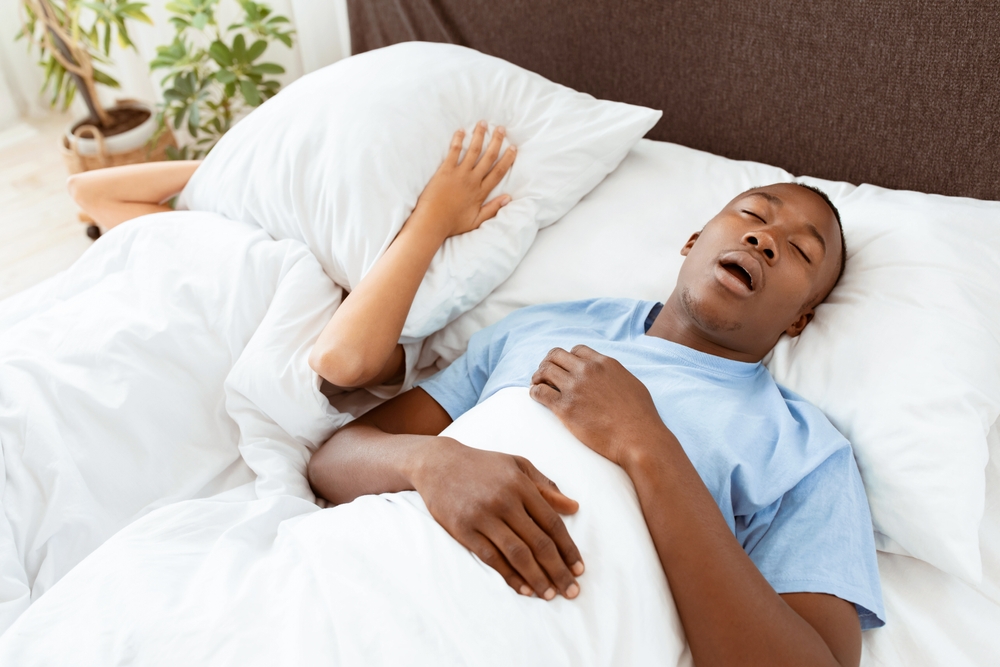
- Beyond Snoring: Sleep apnea is more than just loud snoring. Symptoms like morning headaches, daytime fatigue, and waking up choking are significant red flags.
- Daytime Fatigue is a Major Sign: Consistently feeling exhausted despite a full night’s sleep is one of the most common and disruptive symptoms of sleep apnea.
- It’s a Full-Body Issue: Untreated sleep apnea can seriously affect your cardiovascular health, leading to high blood pressure, and impact your mental well-being, causing mood swings and concentration problems.
- Solutions Are Available: You do not have to live with the consequences of poor sleep. Effective treatments, from CPAP therapy to custom oral appliances, can restore your sleep and protect your health.
You go to bed on time, determined to get a solid eight hours of sleep. Yet, you wake up feeling like you haven’t slept at all. Your head is pounding, your throat is dry, and a wave of exhaustion makes it hard to even think about starting your day. Throughout the afternoon, you struggle to stay awake at your desk, fighting off an overwhelming urge to nap.
If this daily struggle sounds familiar, you might be dealing with something more serious than just a few bad nights of sleep. This is often the reality for millions of people living with undiagnosed sleep apnea. While snoring is the most well-known sign, it is far from the only one. Many other symptoms can reveal that your body isn’t getting the oxygen it needs at night.
This guide will walk you through five critical signs of sleep apnea that go beyond snoring, explain how this condition affects your overall health, and show you the practical steps you can take to finally get the deep, restorative rest your body craves.
The Unseen Struggle: 5 Overlooked Signs of Sleep Apnea
Sleep apnea occurs when your breathing repeatedly stops and starts while you sleep. The most common type, Obstructive Sleep Apnea (OSA), happens when the muscles in your throat relax and block your airway. These pauses in breathing can happen hundreds of times a night, preventing your brain and body from getting the oxygen they need.
While your bed partner may notice the snoring and gasping, many symptoms manifest during the day. Here are five signs that you shouldn’t ignore.
1. Waking Up with Morning Headaches
Do you frequently wake up with a dull, throbbing headache that seems to fade as the morning goes on? This is a classic, yet often overlooked, sign of sleep apnea.
When you stop breathing during the night, the level of oxygen in your blood drops, and carbon dioxide builds up. This change can cause the blood vessels in and around your brain to widen, leading to what is known as a “hypnic headache.” These headaches are your body’s alarm bell, signaling a lack of consistent oxygen flow during sleep.
2. Persistent Daytime Exhaustion
This isn’t just about feeling a little tired. This is profound fatigue that doesn’t go away even after what you believe was a full night’s rest. People with sleep apnea can fall asleep while reading, watching TV, or even in the middle of a conversation.
Every time your breathing stops, your brain sends a panic signal to your body to wake you up just enough to take a breath. These “micro-arousals” can happen so quickly that you don’t remember them in the morning. However, they continuously pull you out of the deep, restorative stages of sleep, leaving you feeling chronically drained and unrefreshed, no matter how many hours you spend in bed.
3. Waking Up Gasping or Choking
One of the most frightening symptoms is waking up suddenly with a sensation of choking, gasping for air, or a feeling of suffocation. This is the moment your brain’s survival instinct kicks in after a prolonged breathing pause.
You might sit bolt upright, heart racing, trying to catch your breath. These episodes are a direct result of your airway becoming completely blocked. While you may quickly fall back asleep, this repeated stress on your system is a clear indication that your breathing is dangerously compromised during sleep.
4. High Blood Pressure That’s Hard to Control
Sleep apnea places enormous strain on your cardiovascular system. The frequent drops in oxygen trigger your body’s “fight or flight” response, causing surges in your heart rate and blood pressure throughout the night.
Over time, this repeated stress can lead to chronically elevated blood pressure during the day. If you are being treated for hypertension but your numbers remain high despite medication and lifestyle changes, undiagnosed sleep apnea could be the underlying cause. Addressing the sleep disorder is often the key to getting your blood pressure under control.
5. Difficulty Concentrating and Mood Swings
Are you finding it hard to focus at work? Do you feel irritable, anxious, or depressed for no clear reason? Your sleep quality directly impacts your mental and emotional health.
The lack of restorative sleep caused by sleep apnea impairs cognitive function, leading to what many describe as “brain fog.” It can affect your memory, your decision-making abilities, and your emotional regulation. When your brain is sleep-deprived, you are more susceptible to mood swings and have less resilience to handle everyday stressors.
How Untreated Sleep Apnea Harms Your Health
Ignoring the signs of sleep apnea is more than just accepting a life of fatigue. The condition is linked to a host of serious health problems, including:
- Heart Disease: The constant stress on your heart increases your risk of heart attacks, atrial fibrillation, and stroke.
- Type 2 Diabetes: Sleep apnea can interfere with your body’s ability to use insulin properly, increasing the risk of developing insulin resistance.
- Mental Health Disorders: The connection between poor sleep and mental health is strong. Chronic exhaustion can worsen symptoms of depression and anxiety.
- Weight Gain: Sleep deprivation affects the hormones that regulate hunger, making you crave high-calorie foods and making it harder to lose weight.
Actionable Advice: How to Reclaim Your Sleep and Health
You can break the cycle of exhaustion. There are proven, effective treatments for sleep apnea that can restore your breathing and transform your quality of life.
Get a Professional Diagnosis
The first and most important step is to talk to a doctor about your symptoms. They may recommend a sleep study (polysomnogram), which can be done either in a lab or at home. This test monitors your breathing, heart rate, and oxygen levels to confirm a diagnosis.
CPAP Therapy
Continuous Positive Airway Pressure (CPAP) is the gold standard for treating moderate to severe sleep apnea. A CPAP machine delivers a steady stream of air through a mask you wear at night, keeping your airway open and allowing you to breathe normally.
Custom Oral Appliance Therapy
For those with mild to moderate sleep apnea, or for those who cannot tolerate a CPAP, a custom-made oral appliance can be an excellent alternative. Worn like a mouthguard, it is designed by a dentist to move your lower jaw slightly forward. This small adjustment is often all that is needed to keep the airway open and prevent breathing pauses. It is comfortable, silent, and easy to travel with.
Lifestyle Adjustments
Certain lifestyle changes can also help manage symptoms:
- Weight Management: Losing even 10% of your body weight can significantly reduce the severity of sleep apnea.
- Positional Therapy: For some, symptoms only appear when sleeping on their back. Learning to sleep on your side can make a big difference.
- Avoid Alcohol Before Bed: Alcohol relaxes the throat muscles, which can worsen airway collapse.
If you are waking up tired, struggling with headaches, or feeling irritable and foggy all day, don’t dismiss it as normal. These are important clues that your sleep is being disrupted. Recognizing that your daytime symptoms are connected to your nighttime breathing is the first step toward a healthier, more energized life.
Talk to a healthcare professional who specializes in sleep disorders. A proper diagnosis and treatment plan can be the key to finally getting the peaceful, restorative sleep you need and deserve.

FAQ: Common Questions About Sleep Apnea
Q: Can children have sleep apnea?
A: Yes, children can have sleep apnea, and it is often caused by enlarged tonsils and adenoids. Symptoms in children can include snoring, restless sleep, bedwetting, and behavioral issues or difficulty concentrating at school.
Q: Is sleep apnea hereditary?
A: There can be a genetic component. Physical traits that increase the risk of sleep apnea, such as a narrow throat or a certain jaw structure, can be passed down in families. If a close relative has sleep apnea, your own risk may be higher.
Q: I only snore lightly. Could I still have sleep apnea?
A: Absolutely. The loudness of your snoring does not always correlate with the severity of the condition. Some people with severe sleep apnea snore very little, while some loud snorers have no apnea at all. The key is the presence of breathing pauses, not just the noise.
Q: Will losing weight cure my sleep apnea?
A: For many people who are overweight, weight loss can significantly improve or even eliminate sleep apnea. However, it is not a guaranteed cure, as other factors like anatomy also play a role. It is still one of the most effective lifestyle changes you can make.