Stopping CPAP therapy allows sleep apnea to return, often quickly and without obvious symptoms. Feeling better on CPAP is a sign treatment is working—not that sleep apnea is gone. If CPAP isn’t working for you, talk to your provider about alternatives rather than stopping treatment altogether.
You’ve been using your CPAP for a few months. You’re sleeping better, your energy is back, and you feel more like yourself. So one night, you decide to skip it. Maybe the mask felt uncomfortable. Maybe you were traveling and left the machine at home. Maybe you just… didn’t feel like you needed it anymore.
That last thought is one of the most common—and understandable—reasons people stop CPAP therapy. And it makes sense. When treatment is working, you feel better. But feeling better doesn’t mean sleep apnea has disappeared. It means the treatment is doing its job.
This post explains what actually happens when you stop using your CPAP, why symptoms can return even before you notice them, and what to do if you genuinely struggle with your equipment.
Key Takeaways
- CPAP treats sleep apnea while you use it; it doesn’t cure the underlying condition
- Breathing interruptions can return quickly after stopping CPAP—sometimes within days
- You may not notice sleep apnea returning right away, even if your sleep quality declines
- Discomfort with CPAP is a reason to troubleshoot, not abandon treatment
- Alternative treatments, like oral appliance therapy, exist for those who can’t tolerate CPAP
What Actually Happens When You Stop Using CPAP?
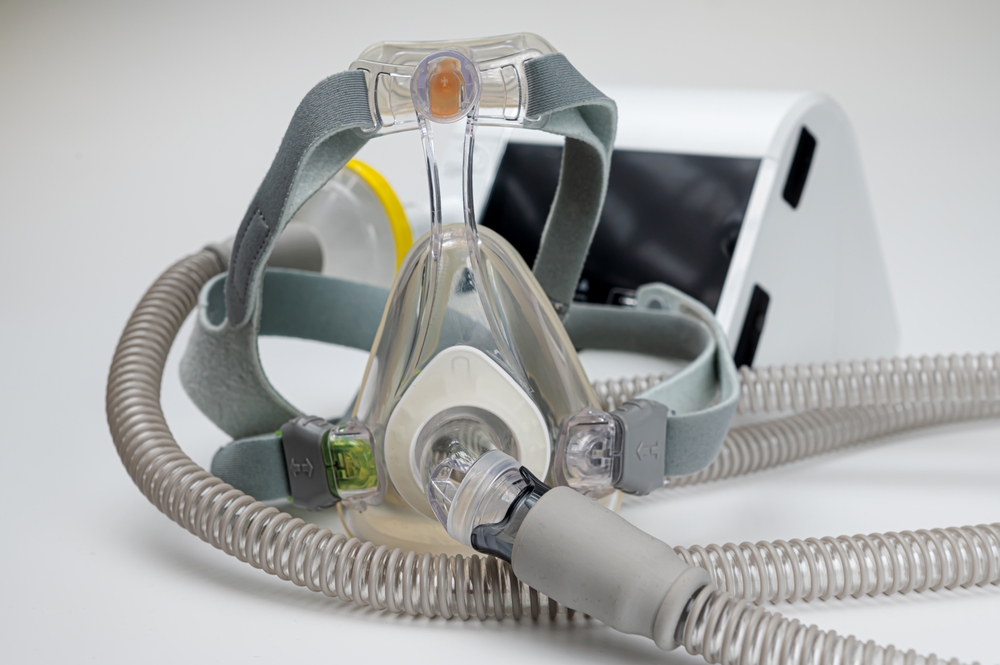
CPAP—continuous positive airway pressure—works by delivering a steady stream of pressurized air that keeps your airway open while you sleep. The moment you stop using it, that support is gone.
For most people with obstructive sleep apnea, the airway can begin collapsing or narrowing during sleep again. The American Academy of Sleep Medicine (AASM) describes obstructive sleep apnea as a chronic condition that rarely resolves on its own without significant weight loss or corrective surgery. Research on CPAP withdrawal has found that OSA can recur quickly after treatment stops, along with a return of daytime sleepiness and increases in morning blood pressure and heart rate.
That’s the key distinction worth holding onto throughout this post: CPAP is a treatment, not a cure. It manages sleep apnea while you’re using it. When it’s off, so is the protection.
You Might Not Notice It Coming Back Right Away
Here’s what makes sleep apnea particularly tricky: it happens while you’re unconscious.
You might wake up after your first CPAP-free night and think, “That was fine. I slept okay.” Meanwhile, your body may have experienced repeated breathing disruptions you simply weren’t aware of. Sleep apnea doesn’t announce itself with a tap on the shoulder.
Over time, familiar symptoms may start creeping back in:
- Snoring returns (or a partner notices it first)
- Sleep feels more fragmented or restless
- Morning headaches show up again
- Fatigue sets in by mid-afternoon
The problem is that these changes tend to be gradual. Many people chalk them up to a stressful week, a bad night, or getting older. But how you feel isn’t always a reliable measure of what’s happening with your breathing during sleep.
What You May Notice During the Day
If CPAP therapy is stopped, daytime symptoms can return—sometimes right away, sometimes over a few weeks. Every person is different, but common signs include:
- Increased daytime sleepiness, even after a full night in bed
- Brain fog or difficulty concentrating, especially in the morning
- Irritability or mood changes that feel hard to explain
- Morning headaches, often caused by drops in oxygen overnight
- Low energy that doesn’t improve with extra rest
- Feeling unrefreshed, no matter how many hours you sleep
Some people recognize these symptoms immediately. Others assume they’re just having a rough patch. If you stopped CPAP recently and any of these sound familiar, it’s worth connecting the dots.
What About Blood Pressure and Heart Health?
Sleep apnea puts repeated stress on the cardiovascular system. Each breathing interruption can trigger a brief spike in heart rate and blood pressure as the body works to restore normal oxygen levels. Over time, this cycle can take a toll.
The AASM recommends CPAP therapy for adults with OSA who experience excessive daytime sleepiness, and also suggests it for patients with OSA and hypertension. Research on CPAP withdrawal has specifically shown increases in morning blood pressure and heart rate after treatment stops.
To be clear: stopping CPAP doesn’t automatically lead to a heart attack. But untreated sleep apnea carries consequences that go beyond feeling tired. Your cardiovascular system notices, even when you don’t.
What If You Skip Just One Night?
This is a fair and common question. Travel, illness, camping trips, or a broken machine can all lead to missed nights. Life happens.
Even short-term CPAP withdrawal can allow sleep apnea to return. That said, a missed night here and there is very different from stopping treatment altogether. The goal isn’t perfection—it’s consistency.
If you find yourself regularly skipping nights, that’s a signal worth paying attention to. Not as a reason for guilt, but as a reason to troubleshoot. Something about your current setup isn’t working, and that’s a solvable problem.
Why Do People Stop Using Their CPAP?
Struggling with CPAP is more common than most people realize—and more understandable. The equipment has come a long way, but it still takes adjustment. Some of the most frequent frustrations include:
- Mask discomfort or poor fit, leading to pressure sores or leaks
- Dry mouth or nasal congestion, which can make breathing through the mask feel worse
- Feeling claustrophobic with a full-face mask
- Difficulty falling asleep with the machine on
- The inconvenience of cleaning and traveling with equipment
The AASM specifically recommends education and behavioral support to help patients with PAP therapy—because these challenges are real and worth addressing, not just pushing through.
If you dislike your CPAP, that doesn’t mean you have to choose between discomfort and untreated sleep apnea. There are more options than that.
What to Do If CPAP Isn’t Working for You
Talk to Your Sleep Provider First
Before putting the machine in the closet, have a conversation with your provider. Many CPAP problems have practical solutions:
- Mask adjustments can eliminate leaks, pressure points, and skin irritation
- Pressure setting changes can make airflow feel less forceful
- Adding humidification often resolves dry mouth and nasal congestion
- Trying a different mask style (nasal pillows, nasal mask, full-face) can make a significant difference
It’s also worth asking about follow-up sleep testing, especially if something has changed—weight loss, a significant lifestyle change, or new symptoms. Your sleep apnea severity may be different now than it was at diagnosis.
Consider Whether Another Treatment Might Fit Better
CPAP is highly effective, but it isn’t the only treatment for obstructive sleep apnea. For patients who genuinely cannot tolerate CPAP—despite troubleshooting—oral appliance therapy may be an option worth exploring.
Custom oral appliances are worn during sleep and work by repositioning the jaw to keep the airway open. They’re less cumbersome than CPAP, don’t require a machine or mask, and are particularly well-suited for people with mild to moderate OSA or positional sleep apnea. For some patients, combination approaches may also be considered.
The goal isn’t to stay on CPAP at all costs. The goal is effective treatment you can use consistently. If another approach gets you there, that’s a conversation worth having with your provider.
Don’t Stop Without Talking to Someone First
If you’re thinking about stopping CPAP—because you feel better, because you’ve lost weight, because the equipment drives you crazy, or because you want to try something else—please don’t just stop.
Talk to your provider first. Depending on your situation, they may recommend reassessment or repeat sleep testing to get a current picture of your sleep health. That information shapes what happens next.
Stopping without that conversation means making a health decision without the full picture.
Feeling Better Is a Good Sign—Not a Reason to Stop
Feeling better after CPAP treatment is exactly what’s supposed to happen. Energy returns. Focus improves. Sleep feels like sleep again. That’s the treatment working.
But the sleep apnea didn’t disappear. The airway anatomy that caused it is still there. CPAP keeps the airway open while you sleep; stopping it removes that support, and the underlying breathing problem can return.
If you’re ready to move on from CPAP, that’s a conversation to have with your provider—not a decision to make alone. There may be a treatment that fits your life better. The right next step isn’t stopping treatment. It’s finding one that works.

Frequently Asked Questions
How quickly does sleep apnea return after stopping CPAP?
Research suggests sleep apnea can return relatively quickly after CPAP is stopped—in some cases within days. Studies on CPAP withdrawal have found that daytime sleepiness, morning blood pressure, and heart rate can increase soon after treatment is discontinued. The exact timeline varies by individual, but most people should not assume sleep apnea has resolved simply because symptoms feel manageable at first.
Can you stop using CPAP if you’ve lost weight?
Weight loss can reduce the severity of obstructive sleep apnea for some people, and in certain cases may lead to a significant improvement. However, sleep apnea does not always resolve completely, even with substantial weight loss. If your weight has changed meaningfully, talk to your provider about repeat sleep testing before making any changes to your treatment. A current study will show whether your apnea has improved enough to modify or discontinue therapy.
Is oral appliance therapy as effective as CPAP?
Oral appliance therapy is a well-established treatment for obstructive sleep apnea, particularly for mild to moderate cases or for patients who cannot tolerate CPAP. CPAP is generally considered the most effective treatment for controlling breathing events during sleep, but consistent use matters most. An oral appliance that a patient wears every night may deliver better real-world outcomes than a CPAP machine that sits unused. The best option depends on individual diagnosis, anatomy, and lifestyle—something to work through with a qualified sleep provider.